Hurricane Polo’s Remnants Bring Dangerous Flooding Across the American Southwest
By Republican Digest Contributor |

Hurricane Polo’s remnants fueled dangerous flooding across the Southwest, forcing evacuations and expanding the flood threat east.
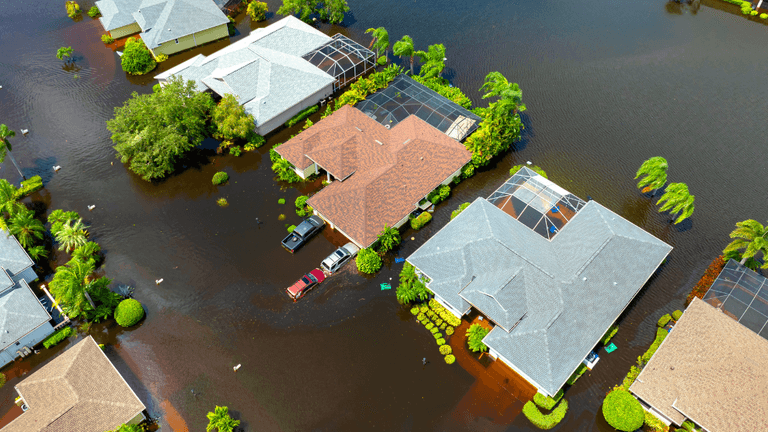
Residents across parts of the American Southwest faced a dangerous weather emergency on September 30, 2026, as deep tropical moisture associated with the remnants of Hurricane Polo fueled heavy rainfall and flash flooding. Communities in Arizona and New Mexico had already experienced flooding, evacuations, road problems, and water rescues as the sprawling weather system pushed moisture farther into the United States. The Hurricane Polo flooding threat also began shifting toward the Plains, putting millions of Americans in the path of potentially hazardous rainfall.
The event was the latest chapter in an extraordinary life cycle for Polo. The storm underwent rapid intensification earlier in September, strengthening from a tropical storm into a Category 5 hurricane in roughly one day. It later approached Mexico’s Baja California Peninsula as a major hurricane. On September 27, Polo had maximum sustained winds near 125 mph while approaching the peninsula. By the morning of September 29, Polo was nearing another landfall close to Guaymas, Mexico, with maximum sustained winds of 75 mph.
Polo weakened considerably after moving over land, but the disappearance of hurricane force winds did not mean the danger was over. Moisture from the former hurricane continued moving north and northeast, contributing to heavy rainfall across portions of the Southwest. Flooding affected New Mexico, Arizona, and Utah, while evacuations were ordered in several New Mexico communities because of concerns surrounding a dam. Emergency rescues were also reported in Arizona and Utah.
Why The Flooding Became So Dangerous
Flash flooding presents a particular hazard in the Southwest because intense rainfall can quickly overwhelm normally dry washes, arroyos, streets, and drainage systems. Heavy rain does not need to fall directly where a tropical cyclone makes landfall to create serious consequences. Tropical moisture can travel hundreds of miles and interact with other atmospheric systems, producing intense rainfall far from the storm’s original center.
That dynamic was evident with Polo. By September 30, the flood threat was spreading from the Southwest toward the Rockies and Plains. Portions of those regions faced an elevated risk for excessive rainfall on Wednesday. Additional rainfall threatened locations where the ground was already saturated from earlier storms.
The scope of the threat was significant. About 100 million people had been under flood alerts as Polo’s tropical moisture spread into parts of the southern and central United States. The widespread alerts demonstrated how a hurricane that originally struck Mexico could influence weather conditions across a vast portion of the United States days later.
Polo also developed during an active period for tropical weather in the northeastern and central Pacific. Satellite observations provided scientists and forecasters with a broad view of the storm system and the enormous moisture field surrounding it. That information helped illustrate why the consequences of a tropical cyclone can extend well beyond the location of its strongest winds.
What Residents Should Know About Flash Floods
The most important lesson from the Hurricane Polo flooding event is that a weakening tropical cyclone can remain dangerous long after its strongest winds disappear. Floodwater can rise quickly, particularly around streams, low lying roads, drainage channels, and areas with poor drainage.
Drivers face one of the greatest risks during flash flooding. Water covering a roadway can conceal damaged pavement or currents stronger than motorists expect. Even familiar roads can become hazardous when intense rainfall causes water levels to rise rapidly. Residents in areas covered by flood warnings should rely on official information from local emergency managers and weather authorities rather than assuming regular travel routes remain passable.
The September 30 event also illustrates why residents far inland should continue monitoring tropical systems. Polo’s center moved across Mexico, yet its moisture contributed to hazardous conditions hundreds of miles away in the United States. The flooding threat continued moving east as tropical moisture interacted with other weather systems.
Preparation can make a meaningful difference when conditions deteriorate quickly. Residents in affected regions should keep weather alerts enabled, understand whether their homes or regular travel routes cross flood prone areas, and follow evacuation instructions issued by local authorities. Keeping essential supplies accessible and knowing alternative travel routes can also help households respond when roads suddenly become unsafe.
Polo Offers A Reminder About Inland Tropical Weather Risks
Polo’s transformation from an exceptionally powerful Pacific hurricane into a widespread inland flood threat underscores an important reality of tropical weather. Weakening winds do not necessarily mean that the emergency has ended.
Rainfall and flooding can become the dominant threats as tropical moisture moves inland, sometimes affecting communities far from the original storm track. For residents across the Southwest and Plains, September 30 offered another reminder that preparation should continue even after a hurricane loses much of its strength.
Monitoring official forecasts, respecting road closures, and responding promptly to local warnings can help people navigate rapidly changing conditions. Polo’s remnants demonstrated that the effects of a major tropical system can reach far beyond the coastline, making awareness and reliable weather information essential for communities in its path.

Republican Digest Contributor
This article features partner, contributor, or branded content from a third party. Members of the Republican Digest editorial staff were not involved in the creation of this content. All views and opinions are those of the contributor alone.