American Manufacturing Adds 72,000 Jobs As Industry Highlights Skilled Workforce Needs In October 2026
By Republican Digest Contributor |
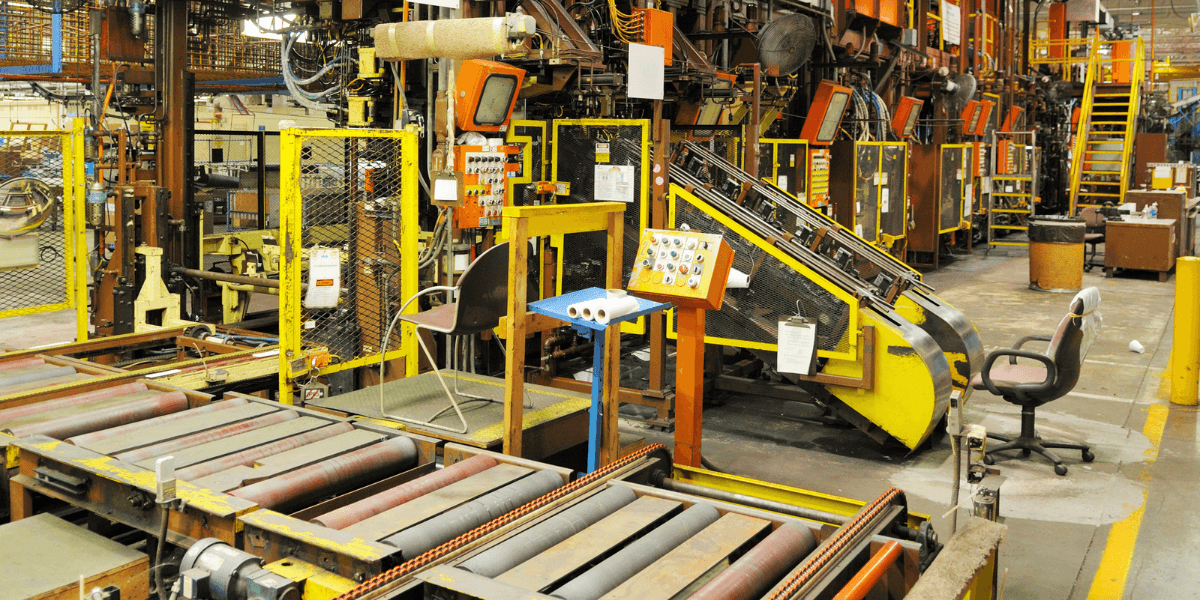
Federal employment data shows renewed manufacturing job growth as American factories focus on technology, workforce skills, and competitiveness.
Across American factories, the nature of manufacturing work is changing. Advanced machinery, digital production systems, and increasingly complex equipment are creating new demands for workers and employers. As the nation observes Manufacturing Month in October 2026, fresh federal employment figures offer a closer look at an industry that remains essential to the United States economy.
According to the Bureau of Labor Statistics, American manufacturing employment increased by 9,000 jobs in September 2026. Although the monthly change was relatively small, manufacturing employment stood 72,000 jobs above its recent low in December 2025. The figures highlight a gradual improvement in factory employment while raising important questions about workforce training, technological change, and long term industrial competitiveness.
American Manufacturing Employment Shows Signs Of Recovery
The September employment report, released October 2, provides a measurable indication of recent manufacturing labor market conditions.
Manufacturing employers added approximately 9,000 positions during September, with employment gains concentrated in several industrial categories.
Plastics and rubber products manufacturing added 5,000 jobs, while machinery manufacturing also recorded an increase of 5,000 positions.
Despite these gains, federal officials characterized overall manufacturing employment as little changed during the month.
The distinction is important because individual industries can experience stronger hiring even when the broader manufacturing sector remains relatively stable.
Since December 2025, however, the sector has recovered approximately 72,000 jobs, suggesting improved employment conditions compared with its recent low.
The figures do not establish that every manufacturing industry or geographic region is experiencing the same level of growth.
Manufacturing Month 2026 Highlights America's Industrial Workforce
October also marks Manufacturing Month, a nationwide effort to introduce students, families, and communities to modern industrial careers.
Manufacturing Day took place October 2, 2026, with additional educational events and workplace activities continuing throughout the month.
The initiative encourages manufacturers to open their facilities, demonstrate production technologies, and explain the skills required for contemporary manufacturing jobs.
The National Institute of Standards and Technology reports that Manufacturing Day activities involve thousands of events across the United States and Puerto Rico.
These programs provide opportunities for students to observe manufacturing operations and learn about technical occupations that may be unfamiliar to them.
The effort also supports cooperation among employers, educational institutions, and workforce development organizations.
American Manufacturing Remains A Major Economic Contributor
Manufacturing continues to represent a substantial portion of American economic activity.
Federal manufacturing resources estimate that the industry contributes approximately $2.9 trillion to the national economy and employs nearly 12.9 million American workers.
The sector accounts for roughly 11 percent of the nation's gross domestic product.
Its economic influence extends beyond factory employment.
Manufacturing companies purchase raw materials, transportation services, machinery, software, and specialized equipment from other businesses.
These relationships connect industrial production with agriculture, logistics, construction, technology, and numerous local economies.
Manufacturing also supports the production of essential goods, including transportation equipment, industrial machinery, medical devices, electronics, and consumer products.
Consequently, changes in manufacturing activity can affect communities far beyond the locations where factories operate.
Technology Is Changing The Skills Required In American Factories
Modern manufacturing increasingly depends on sophisticated equipment and technical expertise.
Automated production systems, industrial robotics, digital monitoring tools, and computer controlled machinery are becoming important components of factory operations.
These technologies can improve production consistency and help manufacturers manage complex processes.
However, they also influence the skills employers require.
Workers may need training in equipment maintenance, electrical systems, computer programming, quality control, and advanced production methods.
Manufacturing USA, a national network connecting industry, academic institutions, and public organizations, supports efforts to strengthen advanced manufacturing capabilities.
Its workforce initiatives emphasize preparing current and future employees for changing industrial requirements.
For students considering technical careers, these developments demonstrate that manufacturing includes opportunities beyond traditional assembly work.
Workforce Training Becomes Increasingly Important For Employers
As industrial technology advances, workforce development remains a central concern for manufacturers.
Employers need workers who can operate equipment safely, identify technical problems, and adapt to changing production methods.
Community colleges, technical schools, apprenticeship programs, and employer sponsored training initiatives can help prepare workers for these responsibilities.
Manufacturing Month provides an opportunity to introduce younger Americans to these educational pathways.
It also allows employers to explain the practical requirements of different industrial occupations.
However, technological advancement does not automatically produce higher employment in every manufacturing category.
Automation can change staffing requirements, while business investment, consumer demand, and operating costs influence hiring decisions.
Understanding these factors is essential when evaluating the industry's future employment prospects.
Why Manufacturing Growth Matters For American Communities
Manufacturing facilities can play an important role in regional economies by supporting employment, business activity, and demand for local services.
When manufacturers expand operations, surrounding communities may experience additional economic activity through suppliers, transportation providers, and service businesses.
However, the benefits of industrial expansion depend on the scale of investment, local workforce availability, and broader market conditions.
For workers, the September employment figures offer evidence of improvement from the sector's December 2025 low, rather than proof of uninterrupted growth.
For businesses, the data reinforces the importance of productivity, workforce preparation, and adapting to technological change.
What October 2026 Reveals About The Future Of American Manufacturing
The latest federal employment figures and Manufacturing Month activities highlight two important developments within American industry.
First, manufacturing employment has improved from its recent low, with approximately 72,000 additional jobs recorded since December 2025.
Second, technological changes are reshaping the skills required to maintain competitive industrial operations.
These developments demonstrate why workforce education, reliable infrastructure, and continued investment in production capabilities remain important to the sector.
As October 2026 draws to a close, American manufacturing continues to offer a significant example of how employment, technology, and economic competitiveness are closely connected.
For workers, employers, and communities, understanding these changes provides a clearer picture of the opportunities and challenges facing one of the nation's most important industries.

Republican Digest Contributor
This article features partner, contributor, or branded content from a third party. Members of the Republican Digest editorial staff were not involved in the creation of this content. All views and opinions are those of the contributor alone.