Atlantic Hurricane Season Reaches Historic Mid-September Lull as El Niño Suppresses Storms
By Republican Digest Contributor |
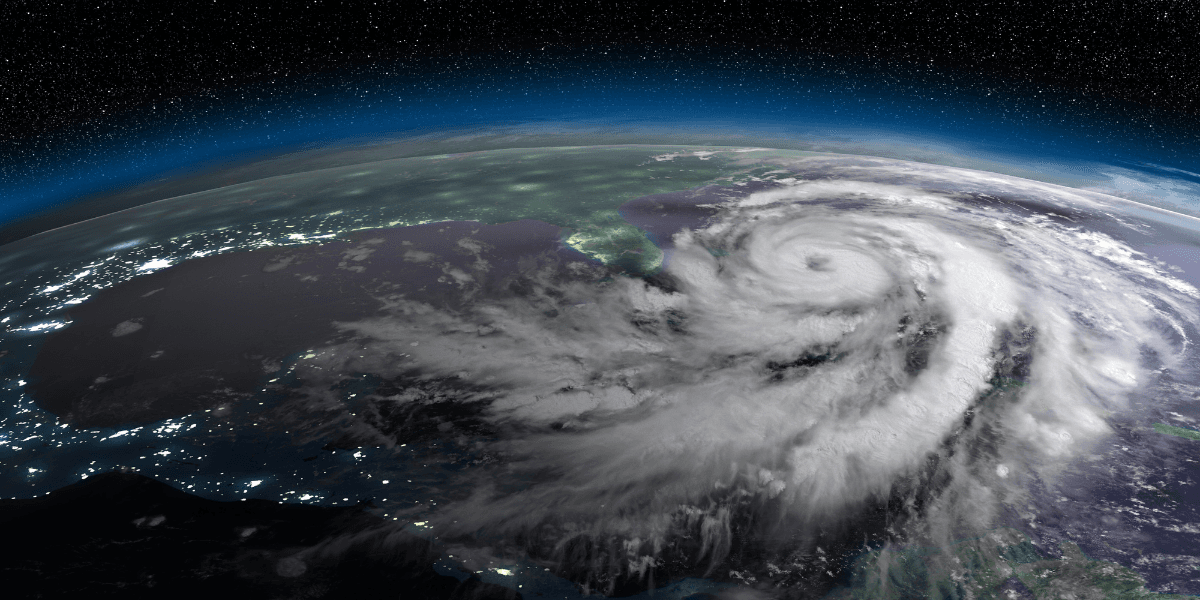
Atlantic hurricane activity stays unusually low near its seasonal peak, but forecasters say coastal residents should stay ready.
The 2026 Atlantic hurricane season has reached the heart of September with remarkably little activity, creating one of the most unusual starts to the season on record and offering a temporary reprieve for millions of Americans living along the Atlantic and Gulf coasts.
As of September 12, the Atlantic basin had yet to produce a hurricane during a period when tropical activity is typically near its annual peak. Only five relatively weak tropical storms had formed so far this season, an exceptionally quiet pattern that meteorologists have linked largely to a powerful El Niño influencing atmospheric conditions across the Atlantic.
The lack of hurricanes is notable because September is historically the busiest part of the Atlantic hurricane calendar. The climatological peak of the season occurs around September 10, when ocean temperatures, atmospheric moisture and other conditions are generally most favorable for tropical development.
Despite the unusually quiet conditions, meteorologists continue to emphasize that hurricane season is far from over. The official Atlantic season continues through November 30, leaving more than two months in which storms can still develop.
El Niño Creates Difficult Conditions for Storms
A major reason for this year's reduced activity is El Niño, a recurring climate pattern associated with unusually warm waters in the central and eastern tropical Pacific Ocean.
Although El Niño develops in the Pacific, its influence can extend around the world. During strong El Niño periods, atmospheric patterns often become less favorable for hurricanes across the tropical Atlantic.
One particularly important factor is vertical wind shear, which refers to changes in wind speed or direction at different heights in the atmosphere. Tropical cyclones generally require relatively organized atmospheric conditions to strengthen.
Strong wind shear can disrupt developing thunderstorms and prevent them from forming the organized circulation needed to become powerful tropical systems.
Dry air and atmospheric sinking have also helped limit development across portions of the Atlantic this season. Together, those conditions have repeatedly prevented tropical disturbances from organizing into stronger storms.
The result has been a striking contrast between warm ocean temperatures and limited hurricane formation.
Warm Water Alone Does Not Create Hurricanes
The unusual season also provides an important reminder that warm ocean water is only one ingredient needed to produce hurricanes.
Tropical cyclones require several atmospheric and oceanic conditions to align. Those include sufficiently warm water, moisture, favorable winds and an existing atmospheric disturbance capable of developing a circulation.
If strong wind shear or dry air is present, even very warm ocean temperatures may not be enough to support significant development.
This combination helps explain why the Atlantic has remained unexpectedly quiet despite ocean temperatures that would ordinarily raise concerns about stronger storms.
For residents, the pattern demonstrates why hurricane forecasts consider much more than sea-surface temperatures when estimating seasonal activity.
Pacific Tells a Different Story
While activity has been suppressed in the Atlantic, the Pacific has experienced a different tropical weather pattern.
El Niño generally reduces wind shear across portions of the eastern and central Pacific, creating conditions that can be more supportive of tropical storms and hurricanes.
This Atlantic-Pacific contrast is a familiar feature of El Niño years. The same large-scale atmospheric pattern that interferes with storm organization in one basin can contribute to more favorable conditions in another.
For the United States, that means hurricane preparedness remains relevant on both sides of the country. Atlantic and Gulf Coast communities traditionally receive much of the attention during hurricane season, but tropical systems in the eastern Pacific can also affect parts of Mexico, Hawaii and the southwestern United States through rainfall, waves and moisture.
Gulf Coast Still Requires Attention
The quiet Atlantic season does not mean every part of the basin faces the same conditions.
Meteorologists are continuing to watch the Gulf of Mexico, where environmental conditions can differ considerably from those across the central tropical Atlantic.
Storms that develop closer to the United States can also leave residents with less preparation time than systems that begin thousands of miles away near Africa.
Historically, significant hurricanes have developed late in the season, including during October and November. Warm Gulf and Caribbean waters can remain capable of supporting tropical development well after the traditional September peak has passed.
That makes continued preparedness important even during a historically slow year.
Preparedness Should Continue Through November
For households in hurricane-prone states, the main takeaway from the unusual 2026 season is that low activity so far should not be interpreted as an end to the threat.
Emergency supplies, evacuation plans, important documents and reliable weather information remain important throughout the official season.
Residents should also distinguish between seasonal forecasts and short-term forecasts. Seasonal outlooks estimate overall activity across an entire basin, while they cannot determine precisely whether an individual community will experience a hurricane.
A quiet season can still produce a damaging landfall, just as an active season does not guarantee that a particular location will be affected.
As September 12 marks the passage of the traditional Atlantic hurricane peak, the absence of a hurricane stands out as an extraordinary feature of the 2026 season.
For millions of Americans along vulnerable coastlines, it is welcome news — but not yet a signal to put away

Republican Digest Contributor
This article features partner, contributor, or branded content from a third party. Members of the Republican Digest editorial staff were not involved in the creation of this content. All views and opinions are those of the contributor alone.