U.S. Economy Adds 165,000 Jobs As Unemployment Falls
By Republican Digest Contributor |

America's labor market delivers stronger October job growth than expected, offering encouraging signs despite ongoing inflation and hiring challenges.
WASHINGTON, November 6, 2026. The American economy delivered a stronger employment report than economists expected on Friday, adding 165,000 jobs in October while the unemployment rate declined to 4.1 percent. The latest figures provided encouraging evidence that businesses continue hiring despite persistent inflation, economic uncertainty, and concerns about slowing labor demand.
The employment report exceeded economists' forecasts of approximately 59,000 to 65,000 new jobs. The stronger results suggest that the labor market remains more resilient than many analysts anticipated. However, beneath the positive headline numbers, several challenges remain for American workers, including slower wage growth relative to inflation and longer periods of unemployment for people seeking new positions.
October Jobs Report Exceeds Economic Expectations
The October employment report marked a notable improvement in hiring activity across several major industries. Employers added 165,000 positions, while the national unemployment rate declined from 4.2 percent to 4.1 percent.
Revisions to previously reported employment figures also strengthened the overall picture. Job gains for August and September were revised upward by a combined 84,000 positions, indicating that hiring activity during those months was stronger than initially estimated.
Professional and business services led October's employment growth, adding approximately 70,000 jobs. Transportation and warehousing contributed another 25,000 positions, while health care and manufacturing also recorded gains.
These improvements indicate that hiring was not limited to a single industry. Instead, several sectors contributed to the month's employment expansion.
Nevertheless, employment growth throughout 2026 has remained slower than in previous years. Average monthly job creation has been approximately 86,000 positions, compared with roughly 210,000 per month in 2023.
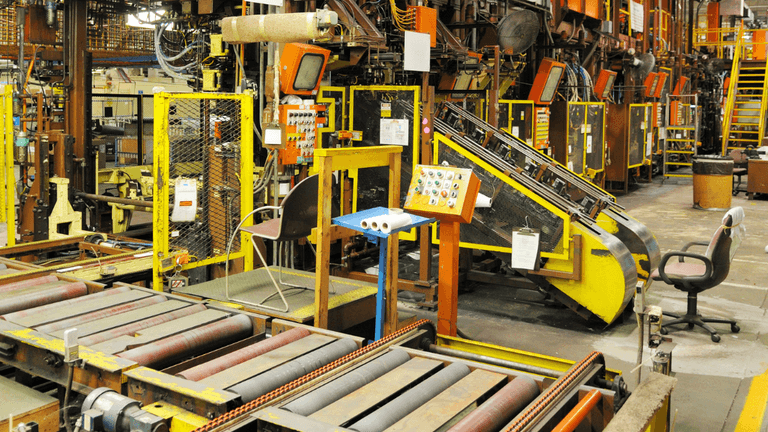
Manufacturing Employment Shows Encouraging Recovery
One of the report's notable developments involved American manufacturing.
Manufacturing employment increased for the fifth consecutive month, continuing a recovery that followed earlier job losses.
The sector had experienced considerable pressure from changing consumer demand, rising operating expenses, and uncertainty surrounding business investment.
Recent improvements suggest that some manufacturers have become more confident about expanding their workforces.
Manufacturing remains particularly important to communities that depend on factories, industrial suppliers, transportation networks, and skilled labor.
Additional factory jobs can support surrounding businesses, including equipment suppliers, restaurants, and local service providers.
However, sustained manufacturing growth will depend on future demand, production costs, and the ability of businesses to maintain competitive operations.
Inflation Continues To Challenge American Households
Despite stronger hiring, the October jobs report also highlighted an important concern for household finances.
Average hourly earnings increased approximately 3.1 percent over the previous year, reaching about $38 per hour.
However, September's annual inflation rate stood at approximately 3.7 percent.
When consumer prices rise faster than wages, workers can experience reduced purchasing power even when their earnings increase.
This difference matters for households managing expenses such as groceries, transportation, housing, utilities, and insurance.
For many families, employment growth alone does not determine whether economic conditions feel better. The relationship between wages and everyday expenses is equally important.
The latest figures therefore present a mixed picture. More Americans are finding employment, but inflation continues to limit the financial benefits of higher wages.
Job Seekers Still Face A Difficult Hiring Environment
Another concern involves the amount of time unemployed Americans spend searching for work.
The average duration of unemployment increased to approximately 27 weeks, one of the longest periods recorded in recent years outside the pandemic.
Meanwhile, the median unemployment duration reached 11.9 weeks.
These figures suggest that although employers continue creating positions, workers who lose their jobs may encounter difficulties finding suitable replacements.
Some industries have also experienced uneven employment conditions.
Information and financial services have faced continued employment pressure, while professional services and manufacturing have shown stronger hiring activity.
The contrast illustrates why national employment statistics do not always reflect the experiences of individual workers.
A strong national jobs report can coexist with significant challenges in particular industries or communities.
Strong Employment Figures Influence Interest Rate Expectations
The stronger October employment report also attracted attention from financial markets.
Investors evaluated whether continued hiring growth might influence the Federal Reserve's approach to interest rates.
The central bank considers employment conditions alongside inflation when determining monetary policy.
A resilient labor market can reduce pressure for immediate interest rate cuts, particularly when inflation remains elevated.
Following Friday's report, Treasury yields increased as financial markets reassessed expectations for future interest rate decisions.
For households and businesses, interest rates influence borrowing costs associated with mortgages, vehicle financing, credit cards, and business expansion.
However, the employment report alone does not determine future Federal Reserve decisions. Inflation trends and additional economic data will remain important considerations.
What The October Jobs Report Means For Americans
The November 6 employment report provides encouraging evidence that the American economy continues generating jobs despite significant challenges.
Stronger hiring, a lower unemployment rate, and improvements in manufacturing suggest that businesses remain willing to expand their workforces.
At the same time, persistent inflation and lengthy job searches demonstrate that economic conditions remain uneven.
For American workers, the most important indicators in the coming months will include whether employment growth continues, whether wages begin outpacing inflation, and whether job opportunities become easier to secure.
The latest figures offer reasons for cautious optimism, but they also reinforce the importance of examining the broader economic picture rather than relying on a single monthly report.
As 2026 approaches its final weeks, the direction of employment, consumer prices, and interest rates will help determine whether the recent improvement translates into lasting financial relief for American households.

Republican Digest Contributor
This article features partner, contributor, or branded content from a third party. Members of the Republican Digest editorial staff were not involved in the creation of this content. All views and opinions are those of the contributor alone.