Wildfire Smoke Triggers Air Quality Alerts Across Much of the United States
By Republican Digest Contributor |
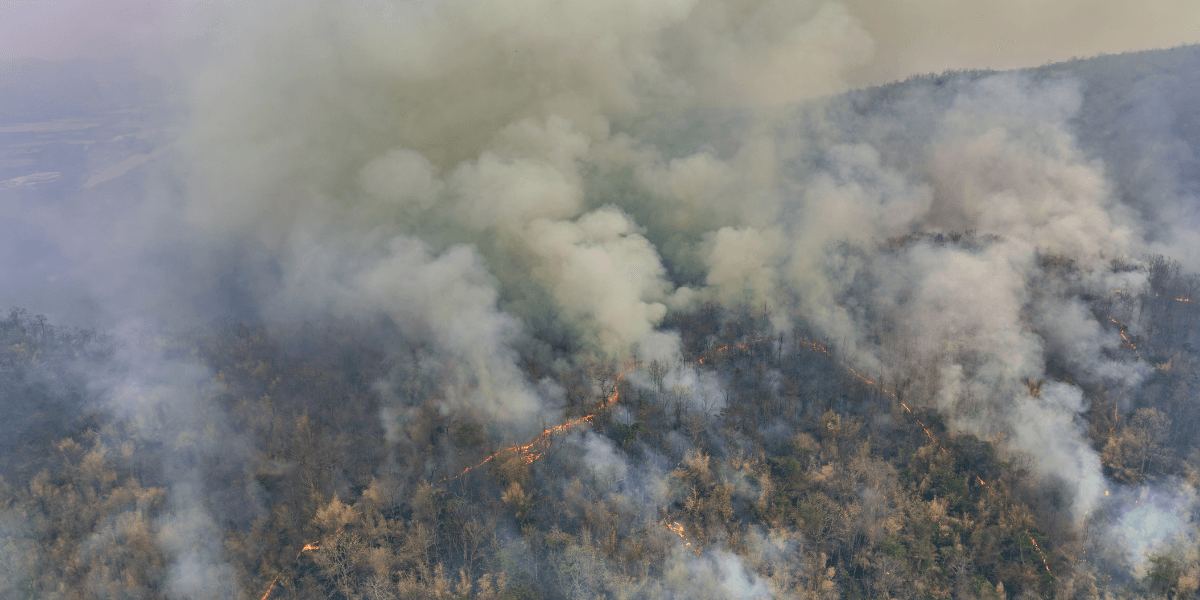
Millions of Americans faced hazardous air quality conditions on July 17, 2026, as smoke from ongoing Canadian wildfires spread across large portions of the Midwest and Northeast, prompting health advisories, disrupting outdoor activities, and highlighting the growing challenge of cross-border environmental events.
Federal, state, and local officials issued air quality alerts covering more than 20 states after dense smoke drifted south from large wildfires burning across Canada. Air quality conditions deteriorated rapidly in several metropolitan areas, with residents advised to limit outdoor exposure, particularly children, older adults, and individuals with respiratory or cardiovascular conditions.
The widespread smoke became one of the most significant domestic public health stories of the day, affecting millions of people from the Great Lakes region to the Northeast. Cities including Detroit, Toledo, Chicago, Cleveland, Buffalo, and portions of New York experienced periods of poor to hazardous air quality, reducing visibility and creating unhealthy breathing conditions.
According to environmental monitoring agencies, concentrations of fine particulate matter (PM2.5) increased substantially as smoke settled over populated regions. These microscopic particles can penetrate deep into the lungs and bloodstream, increasing the risk of respiratory irritation and worsening conditions such as asthma and chronic obstructive pulmonary disease (COPD).
State environmental agencies urged residents to reduce strenuous outdoor activities, keep windows closed when possible, and use air filtration systems if available. Schools, youth sports organizations, and community groups in several affected areas adjusted outdoor schedules or postponed activities until air quality improved.
The smoke originated from an active wildfire season in Canada, where thousands of firefighters continued battling numerous large fires across multiple provinces. Weather patterns carried smoke hundreds of miles into the United States, demonstrating how wildfire impacts can extend far beyond the immediate burn areas.
Meteorologists explained that upper-level winds transported smoke across the international border before atmospheric conditions caused it to descend closer to the ground in parts of the Midwest and Northeast. While smoke events have occurred periodically in recent years, the geographic reach and intensity observed this week affected a particularly large population.
Health experts emphasized that air quality alerts are intended to help residents reduce unnecessary exposure rather than create alarm. Individuals with heart or lung disease, pregnant women, older adults, and young children were encouraged to monitor local air quality reports and follow recommendations from public health officials.
Many residents reported noticeable haze, reduced visibility, and the smell of smoke even indoors. In some locations, landmarks normally visible from several miles away became obscured, while skies took on a gray or orange appearance due to suspended smoke particles.
Transportation officials generally reported minimal disruption to highway travel, although reduced visibility required motorists to exercise additional caution during periods of heavier smoke. Aviation operations continued largely without significant interruption, though pilots monitored visibility conditions at affected airports.
The event also renewed discussions about emergency preparedness and public awareness during extended periods of degraded air quality. Public health agencies encouraged households to maintain supplies such as high-efficiency air filters and to stay informed through local weather forecasts and official air quality monitoring services.
Environmental experts note that wildfire smoke has become an increasingly important public health concern in North America. While the causes and severity of individual wildfire seasons vary, smoke transport across national borders illustrates the interconnected nature of environmental events and the importance of coordinated monitoring between neighboring countries.
Federal agencies continued monitoring conditions throughout the day using satellite imagery, weather models, and ground-based air quality sensors. Forecasts suggested that smoke concentrations could fluctuate depending on changing wind patterns, with some areas expected to improve while others could experience additional periods of reduced air quality over the weekend.
Local emergency management offices reminded residents that air quality can change quickly and encouraged checking official Air Quality Index (AQI) updates before spending extended time outdoors. Many communities also shared guidance on creating cleaner indoor environments by limiting outside air infiltration and operating appropriately rated air filtration systems.
For businesses and employers, the event served as a reminder to consider outdoor working conditions for employees whose duties require prolonged exposure. Occupational safety guidance recommends evaluating environmental conditions and adjusting work schedules when air quality reaches unhealthy levels.
Although no widespread emergency declarations were issued solely because of the smoke, public officials stressed that awareness and precaution remain the most effective responses during significant air quality events. By following official guidance and remaining informed, individuals can reduce potential health risks while communities continue adapting to environmental challenges that increasingly cross geographic boundaries.
As wildfire activity continues across Canada, meteorologists and public health officials will closely monitor changing weather patterns and air quality conditions in the days ahead. The July 17 smoke event underscores the importance of reliable environmental monitoring, timely public communication, and practical preparedness measures that help protect public health during periods of widespread atmospheric pollution.

Republican Digest Contributor
This article features partner, contributor, or branded content from a third party. Members of the Republican Digest editorial staff were not involved in the creation of this content. All views and opinions are those of the contributor alone.