Veterans Day Celebrations Highlight America's Commitment to Service
By Republican Digest Contributor |
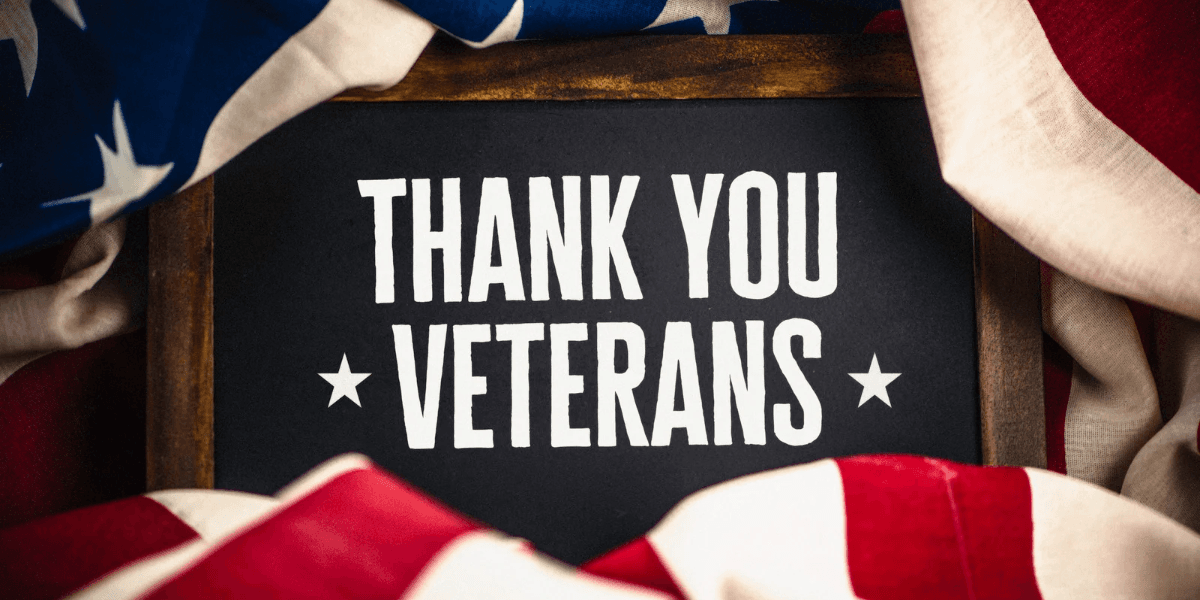
Veterans Day celebrations renew appreciation for American military veterans and highlight the importance of preserving their legacy of service.
Honoring the Americans Who Answered the Call to Serve
Across the United States, Veterans Day continues to hold a special place in the national calendar. Observed on November 11, the annual occasion recognizes the men and women who served in the nation's armed forces. As communities reflect on the observance on November 14, 2026, the importance of honoring military service remains a meaningful subject for American families.
Veterans Day is more than a federal holiday or an opportunity to attend a public ceremony. It represents a national expression of gratitude toward people who accepted demanding responsibilities in defense of the country. Their experiences include years of training, deployments, family separation, and the personal sacrifices associated with military service.
For many veterans, recognition is not about receiving public attention. It is about knowing that their contributions remain part of the country's collective memory. Their stories also provide younger generations with an opportunity to understand the responsibilities associated with citizenship, service, and national commitment.
The History Behind Veterans Day
The origins of Veterans Day date back to the end of World War I. The armistice between the Allied nations and Germany took effect on November 11, 1918, marking the end of major hostilities on the Western Front.
The United States initially recognized November 11 as Armistice Day. In 1938, Congress established the date as a federal holiday dedicated to honoring the peace achieved after World War I.
However, the country's military history continued to expand through World War II and the Korean War. As millions of additional Americans served in uniform, the meaning of the observance evolved.
In 1954, President Dwight D. Eisenhower signed legislation officially changing Armistice Day to Veterans Day. The revised holiday recognized American veterans from all wars rather than focusing exclusively on those who served during World War I.
Today, November 11 remains the official date of the observance. When it falls on a weekend, the federal government may designate a nearby weekday for certain federal holiday purposes.
Why Recognizing Veterans Still Matters
Military service can influence nearly every part of a person's life. Veterans often spend years developing skills, following demanding schedules, and working in environments that require discipline and teamwork.
Their contributions also extend beyond active military duty. Many veterans continue serving their communities through education, public service, emergency response, business, and volunteer organizations.
Their professional experiences can bring valuable skills into civilian workplaces. Leadership, technical training, logistical planning, and the ability to operate under pressure are among the capabilities developed through military service.
However, the transition from military to civilian life is not always straightforward. Veterans may need assistance navigating employment opportunities, education programs, housing arrangements, and health services.
This is why recognition should extend beyond a single annual ceremony. Meaningful appreciation includes ensuring that former service members understand the support available to them and can access appropriate resources.
The Department of Veterans Affairs plays an important role in providing services to eligible veterans. Its responsibilities include health care, disability compensation, education benefits, and other forms of assistance.
Understanding these programs is one practical way communities can support those who previously served.
The Role of Families in Military Service
Behind every veteran is often a family that experienced the demands of military life.
Spouses, children, parents, and other relatives may have endured lengthy separations, frequent relocations, and uncertainty during deployments. Their experiences form an important part of the broader story of military service.
For military families, Veterans Day can be an opportunity to recognize sacrifices that are sometimes less visible to the public.
Children who grow up in military households may experience multiple school changes and periods without a parent at home. Spouses frequently manage household responsibilities while their partners fulfill military obligations.
These experiences deserve recognition because military service affects more than the individual wearing the uniform.
Communities can demonstrate appreciation by including military families in local ceremonies, supporting veteran organizations, and recognizing the challenges associated with military transitions.
Passing the Meaning of Service to Younger Generations
One of the most valuable aspects of Veterans Day is its educational importance.
Schools, community organizations, and families can use the occasion to help younger Americans understand the history of the armed forces and the experiences of those who served.
Classroom discussions, historical exhibits, and conversations with veterans can provide perspectives that textbooks alone may not fully capture.
Personal accounts are particularly valuable because they connect historical events with individual experiences. A veteran's memories of training, service, friendship, and returning home can help students understand the human dimension of military history.
Teaching younger generations about Veterans Day also encourages thoughtful discussions about responsibility, sacrifice, leadership, and community participation.
The objective is not simply to remember historical conflicts. It is to recognize the people whose lives were shaped by military service and understand their contributions to American society.
Appreciation Should Continue Beyond November 11
As the November 14 reflection on Veterans Day continues, Americans have an opportunity to consider how appreciation can become a consistent part of community life.
Public ceremonies and national recognition remain important, but everyday actions can also make a difference. Listening to veterans' experiences, supporting reputable veteran organizations, and helping former service members connect with available resources are practical expressions of gratitude.
Employers can also recognize the professional experience veterans bring to the workforce. Educational institutions and local organizations can help former service members navigate opportunities as they move into civilian careers.
Most importantly, recognition should be grounded in respect rather than symbolism alone.
Preserving America's Legacy of Service
Veterans Day reminds Americans that the nation's history has been shaped by generations of people willing to serve in uniform. Their experiences reflect courage, responsibility, discipline, and commitment to something larger than themselves.
As communities continue reflecting on the November 11 observance, the message remains relevant: honoring veterans requires more than remembering their service once a year.
It means preserving their stories, recognizing their families, supporting their transition into civilian life, and ensuring that future generations understand their contributions.
The true value of Veterans Day lies not only in the ceremonies held each November but also in the respect and responsibility Americans demonstrate throughout the year.

Republican Digest Contributor
This article features partner, contributor, or branded content from a third party. Members of the Republican Digest editorial staff were not involved in the creation of this content. All views and opinions are those of the contributor alone.