Alaska Day 2026 Marks 159 Years Since Historic American Territorial Expansion
By Republican Digest Contributor |
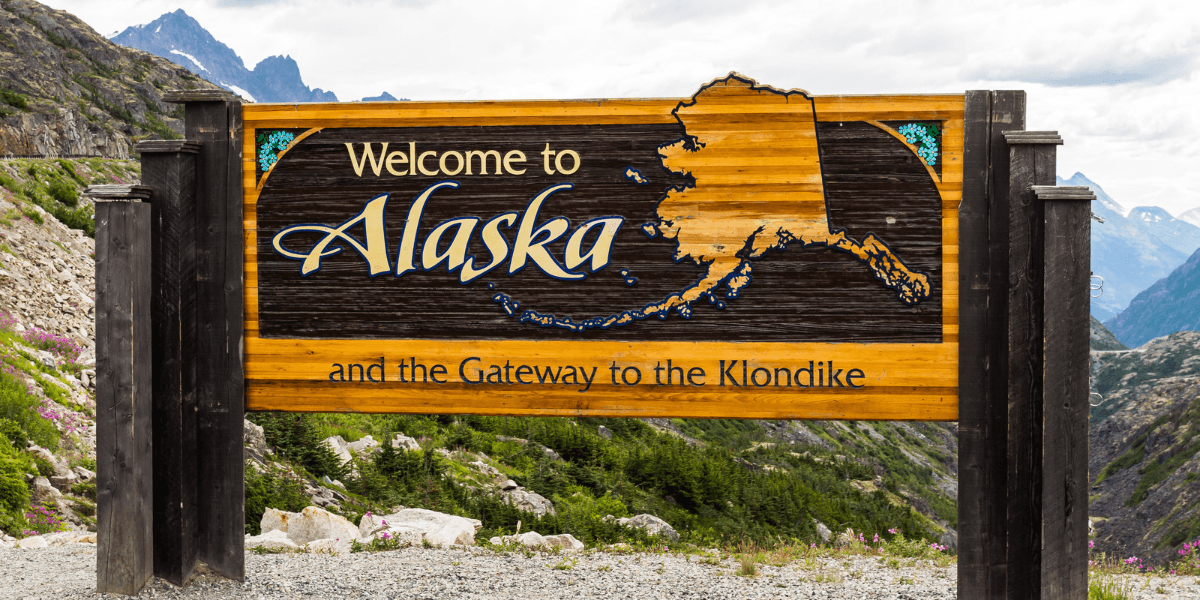
Alaska Day commemorates the 1867 transfer of Alaska to the United States, highlighting the state's history, natural resources, and national importance.
On October 18, 2026, Alaska marked a historic milestone that continues to shape America's geographic, economic, and cultural identity. The annual observance of Alaska Day commemorates the formal transfer of Alaska from Russia to the United States in 1867, an event that significantly expanded American territory and established a foundation for the state's future development.
This year's observance marked 159 years since the transfer ceremony in Sitka, Alaska. What began as a territorial acquisition eventually became an important chapter in American history, connecting the nation's development with Alaska's natural resources, maritime industries, Indigenous heritage, and strategic location in the North Pacific.
Alaska Day 2026 Recognizes A Historic American Milestone
Alaska Day commemorates October 18, 1867, when the United States formally took possession of Alaska following its purchase from the Russian Empire.
The agreement was negotiated earlier that year under Secretary of State William H. Seward. The United States agreed to purchase the territory for $7.2 million, a transaction that initially attracted criticism from some Americans who questioned its economic value.
At the time, Alaska was geographically distant from the nation's principal population centers, and its natural resources were not fully understood by American officials.
Nevertheless, the acquisition added approximately 586,000 square miles of territory to the United States.
The formal transfer took place in Sitka, then known as New Archangel, where the Russian flag was lowered and the American flag was raised.
The ceremony marked the beginning of American administration over the territory, although Alaska would not become a state until nearly a century later.
How Alaska Became America's 49th State
Following the 1867 acquisition, Alaska experienced decades of political, economic, and social transformation.
The territory attracted attention because of its fisheries, mineral deposits, forests, and transportation opportunities.
Gold discoveries during the late nineteenth century encouraged migration and economic activity, while commercial fishing became an important industry.
Alaska's path toward statehood developed gradually as residents sought greater political representation and control over local affairs.
On January 3, 1959, Alaska officially became the 49th state of the United States.
Statehood established a new chapter in Alaska's relationship with the federal government and strengthened its representation in national institutions.
Today, Alaska remains the largest American state by land area, covering more territory than Texas, California, and Montana combined.
Its geography includes extensive coastlines, mountain ranges, forests, glaciers, and Arctic regions.
Alaska's Natural Resources Continue To Support American Industries
Alaska's economic importance extends far beyond its historical acquisition.
The state possesses substantial petroleum, natural gas, mineral, timber, and fishing resources.
Oil production has played a major role in Alaska's economy since the development of major North Slope petroleum fields during the twentieth century.
The Trans Alaska Pipeline System, which began operations in 1977, transports crude oil from northern Alaska to the port of Valdez.
Commercial fishing also remains an important part of the state's economy, supplying seafood to domestic and international markets.
Alaska's waters support significant harvests of salmon, pollock, crab, and other seafood species.
Tourism provides another source of economic activity, attracting visitors interested in national parks, wildlife, glaciers, and cultural destinations.
Together, these industries demonstrate the diverse economic importance of America's northernmost state.
Alaska's Geographic Position Holds National Significance
Alaska's location gives the state a distinctive role in American transportation, communications, and national infrastructure.
The state lies near the Arctic Ocean, the Bering Sea, and the North Pacific, placing it along important maritime and aviation routes.
Alaska also contains military installations and facilities that support American defense operations and monitoring capabilities.
Its proximity to the Arctic makes the state relevant to research involving climate conditions, transportation systems, communications, and infrastructure development.
These geographic characteristics have contributed to Alaska's importance in national planning for generations.
However, the state's remote communities face practical challenges involving transportation costs, construction, energy access, and essential services.
Addressing these conditions requires cooperation among local communities, state institutions, federal agencies, and private businesses.
Alaska Day Also Highlights Indigenous History And Cultural Heritage
Although Alaska Day commemorates the formal transfer of territory between two governments, the region's history extends thousands of years before 1867.
Alaska Native peoples, including the Tlingit, Haida, Tsimshian, Inupiat, Yupik, Aleut, and Athabascan communities, have maintained cultural traditions and connections to the land across generations.
Their histories remain essential to understanding Alaska's development.
The 1867 purchase agreement transferred claims of sovereignty between Russia and the United States, but Alaska Native communities were not parties to the negotiations.
Recognizing this distinction provides a more complete understanding of the historical event.
Cultural programs, museums, and educational activities help preserve Alaska's diverse heritage and provide opportunities for residents and visitors to learn about its history.
Why Alaska Day Remains Relevant To Americans Today
The 159th anniversary of the Alaska transfer offers an opportunity to consider how historical decisions can influence a nation's development across generations.
The territory purchased in 1867 eventually became a state with substantial natural resources, distinctive communities, and important geographic advantages.
Alaska's history also illustrates the complex relationship between territorial expansion, economic development, Indigenous communities, and national institutions.
Understanding these connections helps Americans appreciate the many factors that contributed to the country's growth.
Remembering Alaska's Place In American History
Alaska Day 2026 marks more than an anniversary of a nineteenth century transaction. It recognizes a major event that helped shape the modern United States.
From the 1867 transfer ceremony in Sitka to statehood in 1959 and the development of major industries, Alaska's history reflects significant economic and social change.
As Americans observe the anniversary, the occasion provides an opportunity to learn about the state's history, recognize its diverse communities, and better understand its continuing importance to the nation.

Republican Digest Contributor
This article features partner, contributor, or branded content from a third party. Members of the Republican Digest editorial staff were not involved in the creation of this content. All views and opinions are those of the contributor alone.