Senate Judiciary Committee Advances Todd Blanche’s Attorney General Nomination
By Republican Digest Contributor |
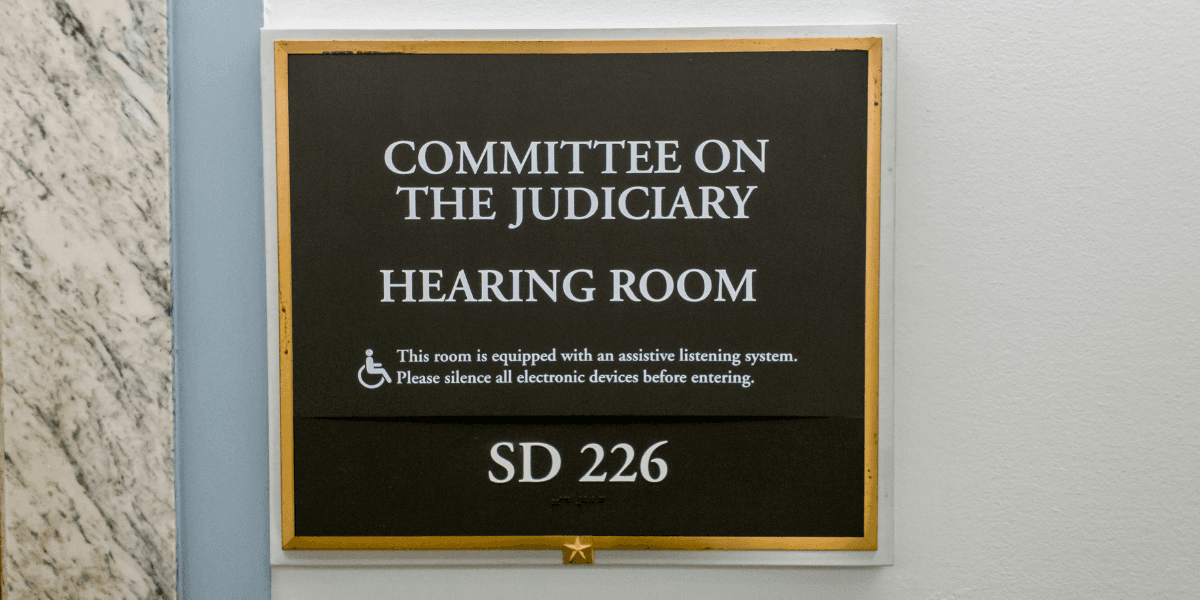
The Senate Judiciary Committee advanced the nomination of Todd Blanche to serve as the next Attorney General of the United States on August 4, 2026, marking a significant step in the confirmation process for one of the nation’s most important cabinet positions. The committee’s vote sends the nomination to the full Senate, where lawmakers will debate and ultimately decide whether Blanche will become the country’s chief law enforcement officer.
The committee’s decision followed weeks of confirmation hearings and discussions that examined Blanche’s legal experience, leadership qualifications, and vision for overseeing the Department of Justice. As Attorney General, Blanche would be responsible for leading one of the largest federal departments, supervising thousands of employees and overseeing agencies such as the Federal Bureau of Investigation (FBI), the Drug Enforcement Administration (DEA), the Bureau of Alcohol, Tobacco, Firearms and Explosives (ATF), and the U.S. Marshals Service.
During the confirmation process, senators questioned Blanche on a wide range of issues related to the responsibilities of the Department of Justice. Topics included maintaining public confidence in the legal system, ensuring the department carries out its duties according to federal law, and overseeing the fair administration of justice. Committee members also discussed the importance of preserving the department’s independence while effectively enforcing federal laws.
One of the key developments ahead of the committee vote was Blanche’s decision to withdraw a previously proposed compensation fund that had generated concerns among lawmakers. The proposal had received criticism from members of both parties, with questions raised about how the fund would operate and whether it could create conflicts of interest. By formally withdrawing the proposal before the committee vote, Blanche addressed one of the major issues that had emerged during the confirmation process.
Supporters of Blanche’s nomination pointed to his extensive legal background, arguing that his experience handling complex legal matters would prepare him to lead the Department of Justice. They emphasized the importance of experienced leadership for an agency responsible for enforcing federal laws, combating organized crime, protecting consumers, defending the federal government in court, and coordinating with law enforcement agencies across the country.
Others on the committee raised questions about the priorities the department would pursue under Blanche’s leadership. Senators sought assurances that prosecutorial decisions would continue to be based on evidence, established legal standards, and the impartial application of federal law. These discussions reflected the broader significance of the Attorney General’s role in maintaining confidence in the nation’s justice system.
The Department of Justice plays a vital role in the daily functioning of the federal government. Beyond criminal prosecutions, the department handles civil litigation involving the United States, investigates financial crimes, enforces antitrust laws, protects civil rights, supports state and local law enforcement, and works to address national security threats. Because of these wide-ranging responsibilities, leadership of the department has a direct impact on numerous areas of public administration.
Confirmation hearings for Attorneys General are traditionally among the most closely watched cabinet nomination proceedings because of the department’s influence over federal law enforcement and legal policy. Senators use these hearings to evaluate a nominee’s qualifications, legal philosophy, management experience, and understanding of the department’s mission. While members of the committee may differ in their views, the process is designed to ensure nominees receive thorough public examination before assuming office.
With the Judiciary Committee’s approval, Blanche’s nomination now advances to the full Senate. The next stage of the confirmation process will involve debate among all senators, followed by a final confirmation vote. If confirmed, Blanche will officially become Attorney General and assume responsibility for directing the Department of Justice and overseeing its many divisions and agencies.
The Senate’s role in reviewing executive branch nominations is an important part of the constitutional system of checks and balances. Committee hearings and Senate votes provide lawmakers with an opportunity to evaluate nominees’ qualifications and determine whether they are prepared to serve in senior leadership positions within the federal government.
For the public, the confirmation of an Attorney General is significant because the office oversees federal law enforcement, manages major criminal investigations, represents the federal government in court, and helps ensure the consistent enforcement of federal laws throughout the country. Although the department’s mission remains constant, each Attorney General establishes priorities that influence how resources are allocated and how the department approaches its responsibilities.
The committee’s vote on August 4 represents an important milestone in the confirmation process. As the nomination moves to the full Senate, lawmakers will continue to evaluate Blanche’s qualifications before making a final decision. The upcoming vote will determine who will lead the Department of Justice and oversee one of the federal government’s most essential institutions.
Regardless of the outcome, the confirmation process underscores the importance of careful review for senior executive appointments. The Attorney General’s leadership affects not only the Department of Justice but also the many federal agencies, legal proceedings, and law enforcement partnerships that help uphold the rule of law across the United States.

Republican Digest Contributor
This article features partner, contributor, or branded content from a third party. Members of the Republican Digest editorial staff were not involved in the creation of this content. All views and opinions are those of the contributor alone.