Technology and Innovation Take Center Stage at San Diego Comic-Con 2026
By Republican Digest Contributor |
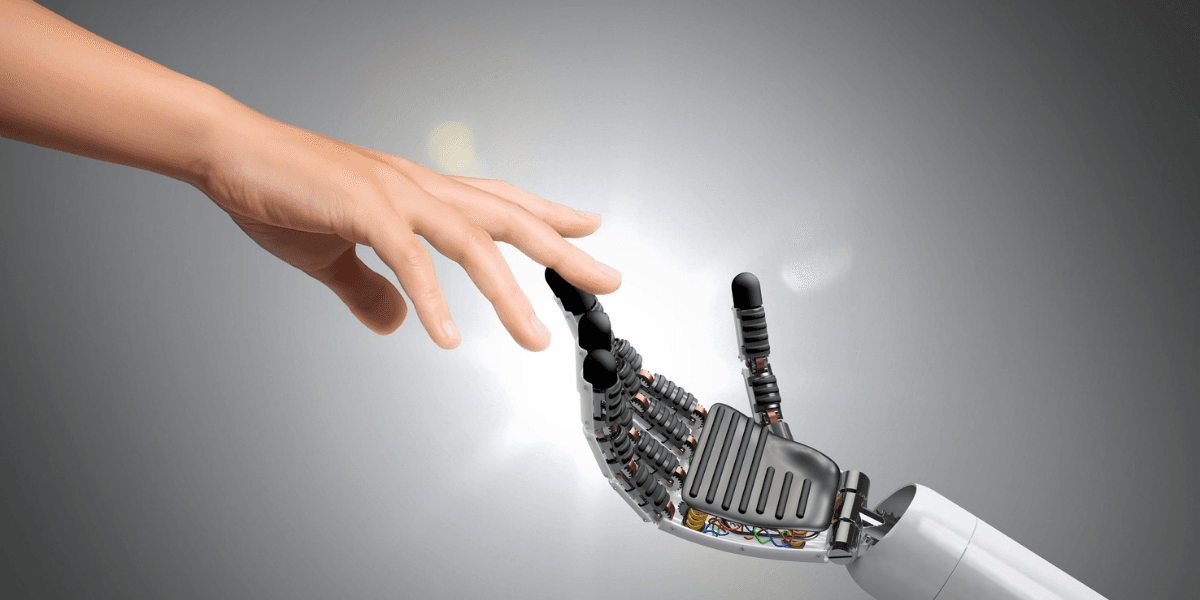
As San Diego Comic-Con 2026 opened on July 23, the annual convention once again demonstrated that it has evolved far beyond its origins as a comic book gathering into one of the nation’s leading showcases for entertainment technology and creative innovation. While blockbuster film announcements and celebrity appearances continue to generate excitement, this year’s event highlighted the growing influence of emerging technologies—including immersive gaming, virtual reality, digital publishing, and AI-assisted creative tools—across the entertainment industry.
More than 120,000 attendees are expected to visit the San Diego Convention Center during the four-day event, where hundreds of exhibitors are presenting new products, interactive experiences, and creative technologies. Major entertainment studios share the exhibition floor with independent game developers, comic publishers, technology companies, artists, and startups, illustrating how innovation has become central to modern storytelling and audience engagement.
One of the most noticeable trends at this year’s convention is the increasing use of interactive technologies. Many exhibitors have introduced virtual reality demonstrations, augmented reality experiences, and immersive gaming installations that allow attendees to engage directly with fictional worlds rather than simply watching trailers or viewing promotional displays. These hands-on experiences provide a glimpse into how audiences may increasingly consume entertainment in the years ahead.
Gaming also occupies a larger role than ever before. Independent developers are using Comic-Con as an opportunity to introduce upcoming titles alongside major publishers, offering playable demonstrations and opportunities for direct feedback from attendees. This growing presence reflects the continued expansion of the U.S. video game industry, where conventions have become important venues for developers to connect directly with consumers before official releases. Visitors are also taking part in esports exhibitions, tabletop gaming sessions, and interactive showcases that emphasize collaboration and community.
Digital publishing continues to reshape the comic industry as well. Publishers are showcasing webcomics, digital-first graphic novels, and subscription-based reading platforms that make content accessible across smartphones, tablets, and computers. While printed comics remain highly valued among collectors, publishers increasingly view digital distribution as an effective way to reach new readers and expand opportunities for independent creators. Many creators attending Comic-Con are releasing their work simultaneously in both print and digital formats, reflecting changing consumer preferences and advances in publishing technology.
Artificial intelligence has also become part of this year’s broader conversation about creativity. Educational panels and professional discussions are exploring how AI-assisted tools can support concept art, animation workflows, visual effects, and game development. Rather than replacing creative professionals, many sessions emphasize AI as a productivity tool capable of streamlining repetitive tasks while allowing artists, writers, and designers to retain creative control over their work. These discussions mirror broader conversations taking place throughout the entertainment industry as companies evaluate responsible ways to integrate emerging technologies into creative production.
Beyond major entertainment companies, Comic-Con continues to provide valuable opportunities for independent artists and small businesses. Artist Alley remains one of the convention’s busiest destinations, where illustrators, writers, designers, and comic creators present original work directly to fans. Digital payment platforms, online marketplaces, and social media have enabled many independent creators to transform convention exposure into sustainable businesses, expanding opportunities that were once largely dependent on traditional publishing contracts.
The convention also serves as an educational destination for students and aspiring professionals. Workshops and panel discussions cover topics ranging from comic writing and digital illustration to animation, game design, visual storytelling, and content creation. Industry professionals share practical insights into current production techniques while offering guidance on career development within the rapidly evolving entertainment sector. These educational opportunities continue to make Comic-Con an important gathering not only for fans but also for the next generation of creative professionals.
Comic-Con’s impact extends well beyond the convention center. Hotels, restaurants, retailers, transportation providers, and local attractions throughout San Diego experience a significant increase in visitor activity during the event. Small businesses benefit from the influx of tourists, while exhibitors gain valuable opportunities to showcase products, gather customer feedback, and build relationships with audiences from around the world. The convention has become one of San Diego’s most significant annual tourism events, contributing substantially to the region’s economy.
Industry experts increasingly view events like Comic-Con as indicators of broader shifts in entertainment and consumer behavior. Today’s audiences are seeking more interactive, community-driven experiences that extend beyond traditional movies and television. Companies are responding by investing in gaming, immersive technologies, digital platforms, and year-round fan engagement. The convention provides an opportunity for businesses to test new ideas while allowing consumers to experience the latest innovations firsthand.
As Comic-Con 2026 continues through the weekend, additional technology demonstrations, creator presentations, gaming showcases, and product announcements are expected. While the convention remains famous for its entertainment reveals, its growing emphasis on innovation demonstrates how technology is reshaping nearly every aspect of storytelling, publishing, gaming, and audience engagement.
The opening of Comic-Con 2026 highlights the continued strength of America’s creative industries and their ability to adapt to changing technologies. By bringing together artists, developers, publishers, entrepreneurs, educators, and fans under one roof, the convention offers a unique look at the future of entertainment. As innovation continues to transform how stories are created and experienced, Comic-Con remains an important platform for showcasing the ideas and technologies shaping the next generation of creative media.

Republican Digest Contributor
This article features partner, contributor, or branded content from a third party. Members of the Republican Digest editorial staff were not involved in the creation of this content. All views and opinions are those of the contributor alone.