Hurricane Isaias Strengthens As Gulf Coast States Prepare For Dangerous Storm Conditions
By Republican Digest Contributor |
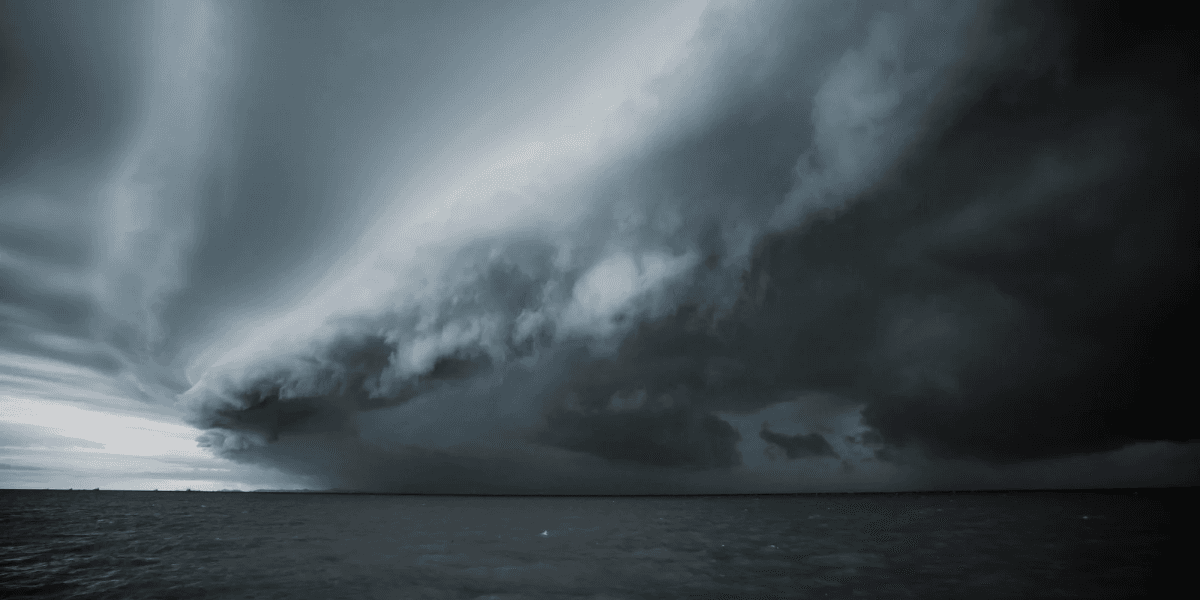
Hurricane Isaias threatens the Gulf Coast with powerful winds, flooding, and coastal surges as communities prepare for possible landfall.
October 8, 2026. Communities along the United States Gulf Coast are preparing for dangerous weather as Hurricane Isaias strengthens over the Gulf of Mexico, raising concerns about flooding, damaging winds, and coastal storm surges. Emergency officials in Florida, Alabama, and Mississippi have begun taking precautionary measures as the storm approaches populated coastal areas. With residents facing possible evacuations and disruptions to essential services, the developing hurricane has become a major national weather event, drawing attention to the importance of preparation and reliable emergency information.
The storm intensified Thursday, reaching maximum sustained winds of approximately 85 miles per hour as it moved toward the northern Gulf Coast. Forecasters warned that further strengthening was possible before landfall, which was expected late Friday or early Saturday. The National Hurricane Center identified several potential hazards, including life threatening storm surges, heavy rainfall, and tornadoes. Officials emphasized that dangerous conditions could develop before the storm's center reached land.
Hurricane Isaias Prompts Emergency Preparations Across The Gulf Coast
Authorities in several Gulf Coast communities have activated emergency procedures as Hurricane Isaias approaches. Florida, Alabama, and Mississippi are among the states monitoring the storm closely, with emergency declarations and evacuation measures affecting vulnerable coastal locations.
In Florida's Okaloosa County, evacuation preparations have become a priority for local officials. Alabama's Dauphin Island has also been identified among the communities taking evacuation action.
The greatest concerns involve coastal flooding, particularly in low lying areas where rising water can threaten homes, roads, and public infrastructure. The National Hurricane Center warned that storm surges could reach five to seven feet in some locations, creating potentially dangerous conditions for residents near the shoreline.
Emergency managers are encouraging residents to follow official announcements rather than relying on social media speculation. Evacuation orders can vary significantly by county and neighborhood, making local government guidance especially important.
Powerful Winds And Heavy Rainfall Create Multiple Hazards
Although Hurricane Isaias currently has sustained winds near 85 miles per hour, forecasters have warned that the storm could strengthen further as it moves across warm Gulf waters.
Wind speeds approaching 110 miles per hour remain possible before landfall, although changes in atmospheric conditions could influence the storm's intensity.
Strong winds can damage roofs, bring down trees, and interrupt electrical service. Coastal communities may also experience blocked roads and disruptions to emergency response operations.
Heavy rainfall presents another significant concern. Flooding can occur well inland from the immediate coastline, particularly in areas where drainage systems become overwhelmed.
Forecasters have also warned about the possibility of tornadoes developing within the storm's outer rainbands.
These hazards demonstrate why hurricane preparedness involves more than tracking the storm's projected center. Communities outside the expected landfall area may still experience dangerous conditions.
Gulf Coast Energy Operations Face Significant Disruptions
The approaching hurricane is also affecting offshore energy operations in the Gulf of Mexico.
As of October 8, approximately 63 percent of offshore oil production and 57 percent of natural gas production in the Gulf had been shut down as operators implemented safety precautions.
Major energy companies, including BP, Chevron, Eni, Murphy Oil, and Shell, were among those affected by operational adjustments.
These temporary shutdowns are intended to protect workers and equipment from dangerous offshore conditions.
The Gulf of Mexico plays an important role in American energy production, making severe storms a potential source of disruption for oil and natural gas supplies.
However, production shutdowns do not automatically translate into immediate increases in gasoline or household energy prices. Market conditions, inventories, transportation infrastructure, and the duration of interruptions all influence the eventual economic impact.
Why Hurricane Preparedness Matters For American Families
For residents along the Gulf Coast, the most immediate priority is protecting lives and property.
Households in areas vulnerable to storm surge should review local evacuation instructions and identify safe destinations before conditions deteriorate.
Families should also prepare essential supplies, including drinking water, nonperishable food, medications, flashlights, batteries, and important documents.
Residents who depend on electrical medical equipment should review their emergency power arrangements and local assistance options.
Drivers should avoid flooded roads, even when water appears shallow. Floodwater can conceal damaged pavement, strong currents, and other hazards.
Homeowners may also benefit from securing outdoor furniture, checking drainage systems, and moving valuable belongings away from areas vulnerable to flooding.
For older adults, people with disabilities, and families with young children, arranging transportation and assistance early can reduce difficulties if evacuation becomes necessary.
What Americans Should Expect As Hurricane Isaias Approaches
The next 24 to 48 hours will be particularly important for communities along the northern Gulf Coast.
Forecasters will continue monitoring changes in Hurricane Isaias's strength, direction, and forward speed. Even relatively small changes in its path could alter which communities experience the most severe impacts.
Residents should pay close attention to updated hurricane warnings, evacuation instructions, and local emergency announcements.
Businesses may also need to adjust operating hours, protect facilities, and prepare for possible transportation or electrical disruptions.
Travelers with plans involving Gulf Coast airports, highways, or coastal destinations should verify conditions before departure.
Staying Informed As The Gulf Coast Prepares
Hurricane Isaias serves as a reminder that severe weather can create significant challenges for communities, infrastructure, and essential industries.
The storm's strengthening on October 8 has prompted emergency preparations across multiple states, while offshore energy operators have taken precautionary steps to protect personnel and facilities.
Although the storm's eventual impact remains uncertain, the potential for dangerous flooding, damaging winds, and coastal surges makes preparation essential.
For families and businesses in affected areas, the most useful response is to remain informed, follow local emergency instructions, and make practical safety arrangements before hazardous conditions arrive.
As Hurricane Isaias continues toward the Gulf Coast, accurate forecasts and coordinated emergency planning will remain central to protecting communities and limiting the storm's consequences.

Republican Digest Contributor
This article features partner, contributor, or branded content from a third party. Members of the Republican Digest editorial staff were not involved in the creation of this content. All views and opinions are those of the contributor alone.