States Lead the Charge on Solar Policy as Bipartisan Support Grows Nationwide
By Republican Digest Contributor |
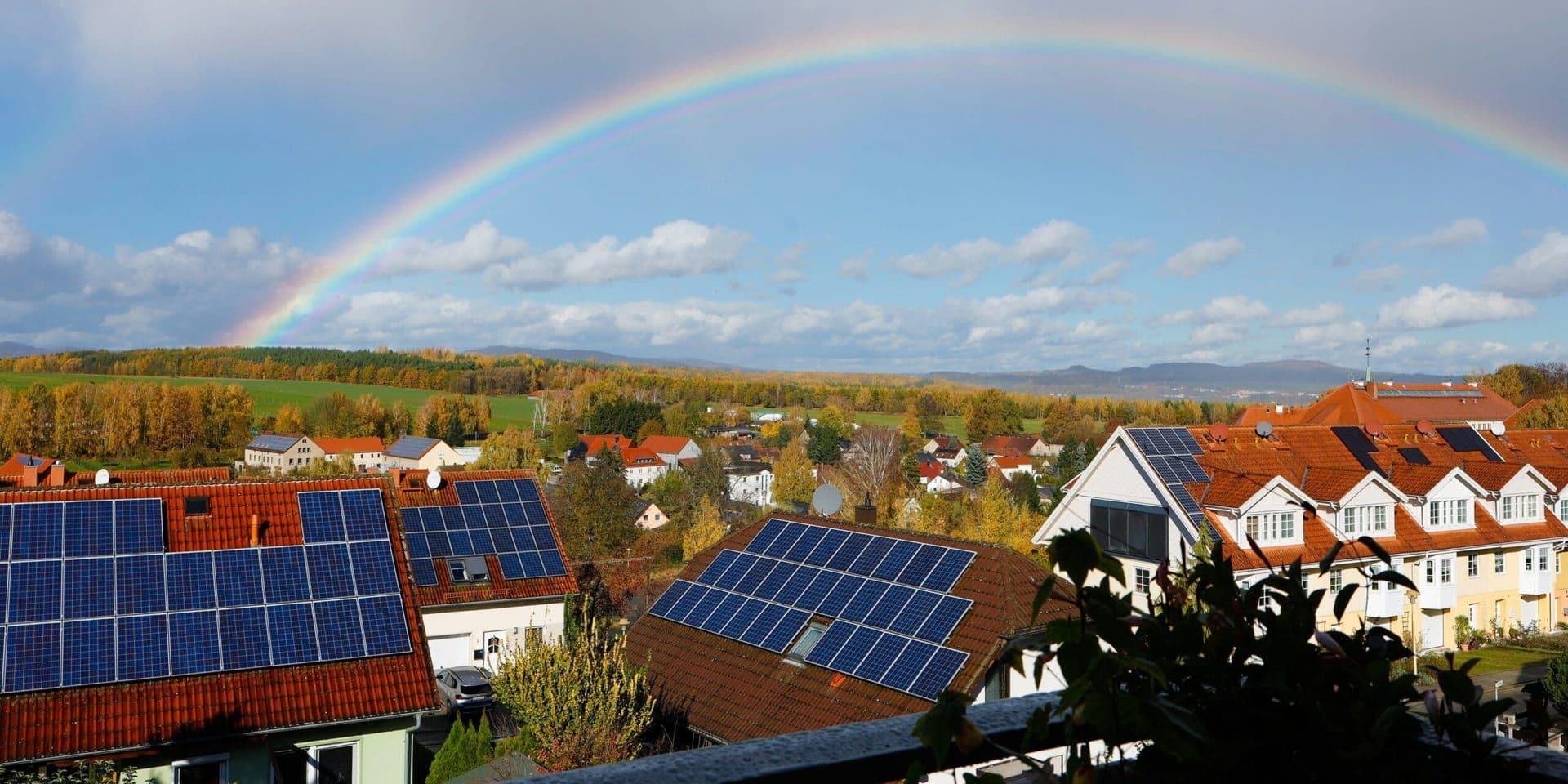
In December 2025, state legislatures and regulatory bodies across the United States took decisive steps to expand solar energy access and modernize outdated grid policies, underscoring a pivotal shift in the nation’s clean energy trajectory. These developments reflect a growing bipartisan consensus that renewable energy, particularly solar, is not only an environmental imperative but also an economic opportunity. As federal leadership remains mired in broader energy policy debates and administrative restructuring, states are stepping into the spotlight, crafting legislation and regulatory reforms that are reshaping how Americans produce, access, and benefit from solar power.
In Ohio, a major breakthrough came as lawmakers passed a long-anticipated bipartisan bill that paves the way for the state’s first community energy programs. This legislation, passed with strong support from both Republican and Democratic legislators, enables residents to subscribe to locally developed solar projects and receive utility bill credits for their share of the energy generated. The bill aims to make clean energy more accessible, especially to renters, small businesses, and households that are unable to install rooftop solar systems.
This legislative move marks a shift in Ohio’s energy posture, which has historically leaned toward centralized power generation. By embracing distributed energy through community solar, the state hopes to spur local economic development, increase grid resilience, and provide consumers with more choices. Supporters say the program could unlock millions in investment, create thousands of jobs in clean energy development and installation, and keep more energy dollars circulating within Ohio communities. It’s a vision that resonates in both rural and urban districts, helping the measure gain rare bipartisan momentum.
In Virginia, regulators at the State Corporation Commission took a parallel step by updating the rules governing the state’s Shared Solar program. These changes aim to make solar participation more inclusive and financially viable for a broader range of customers, particularly low-income households that have been historically underrepresented in the renewable energy economy. By revising the way solar generation credits are calculated and adjusting minimum bill charges, the updated rules are designed to improve the economics of solar subscriptions, making them a more attractive option for utility customers across the state.
Virginia’s reforms build on a growing body of clean energy legislation, including the Virginia Clean Economy Act, which established ambitious renewable energy targets and carbon reduction goals. The updated Shared Solar framework represents a practical implementation of these broader objectives, reflecting the state’s commitment to ensuring that the transition to clean energy includes all ratepayers, regardless of income or property ownership.
Meanwhile, in Maryland, clean energy advocacy organizations have been pressuring state regulators to accelerate the deployment of energy storage systems as part of the state’s broader clean energy goals. With Maryland’s community solar program transitioning from a pilot to a permanent offering earlier in the year, stakeholders now argue that increasing battery storage capacity is essential for maximizing the impact and reliability of solar generation. Energy storage allows solar projects to capture excess electricity and dispatch it during times of peak demand, reducing strain on the grid and enhancing energy equity by keeping prices stable.
Maryland has long been viewed as a leader in progressive energy policy, but advocates argue that meeting the state’s climate and grid reliability goals will require a faster, more aggressive rollout of supporting technologies. They are urging regulators to integrate storage mandates or incentives into existing clean energy programs to encourage developers to pair solar installations with battery systems, especially in vulnerable communities prone to power outages or high energy burdens.
These state-level actions come at a time when federal renewable energy policy remains in flux. Agencies such as the Department of Energy are undergoing internal reorganizations, creating uncertainty about how federal support for solar deployment, grid modernization, and interconnection reform will evolve in 2026. While federal tax incentives and grant programs remain critical components of the renewable landscape, many states are increasingly taking matters into their own hands, responding to both constituent demand and the economic promise of a clean energy future.
Energy policy analysts say this trend toward state leadership in solar and grid policy is both timely and necessary. With electricity demand rising due to data centers, electric vehicle adoption, and the electrification of buildings, the need for a modernized, decentralized, and resilient energy grid has never been more urgent. Solar energy, especially when integrated with community ownership models and battery storage, offers a practical solution to these challenges. By making solar more accessible and financially beneficial to everyday consumers, states are laying the groundwork for a more inclusive energy transition.
Importantly, the bipartisan nature of recent solar legislation and regulatory reforms speaks to the broad appeal of renewable energy as a tool for economic development, public health improvement, and energy independence. In states like Ohio and Virginia, where political divides have traditionally stalled environmental policy, solar is increasingly viewed not as a partisan issue but as a pragmatic investment in the state’s future.
As 2025 ends, the energy landscape across the United States is shifting in meaningful ways. While federal policy continues to play a role, it is state legislatures and regulators that are currently setting the pace for solar growth and grid modernization. With more states expected to follow suit in 2026, the recent wave of solar policy action may signal the start of a new era in American energy — one driven not from Washington, but from the capitals and communities across the nation that are embracing a cleaner, more resilient future.

Republican Digest Contributor
This article features partner, contributor, or branded content from a third party. Members of the Republican Digest editorial staff were not involved in the creation of this content. All views and opinions are those of the contributor alone.