American Energy Expansion Drives Economic Confidence Across Key Industries
By Republican Digest Contributor |
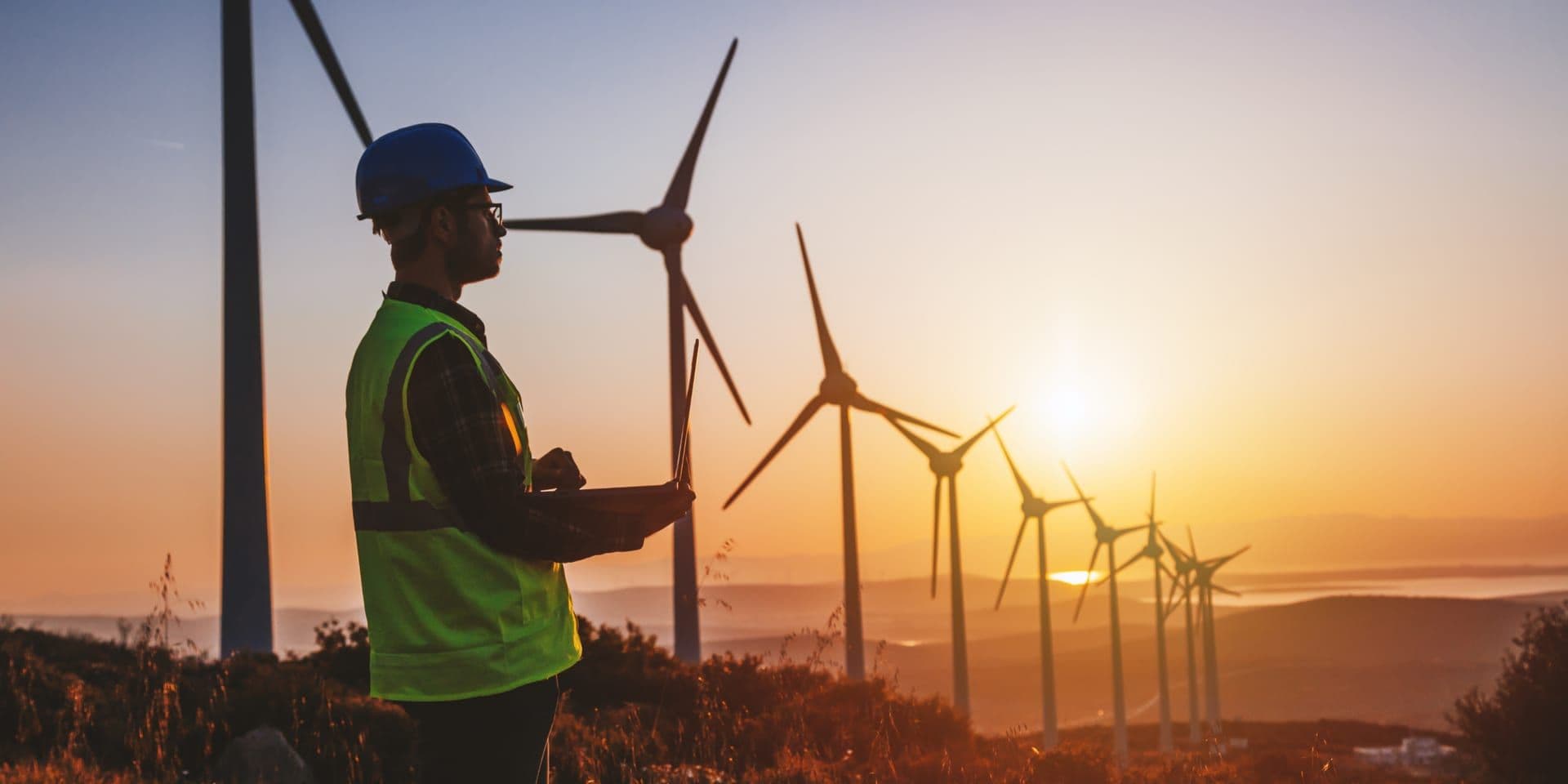
Economic optimism continues to grow across the United States in May 2026 as domestic energy production and infrastructure investments contribute to stronger industrial activity, job creation, and renewed confidence in several major sectors of the economy.
Recent developments in energy production, manufacturing expansion, and infrastructure modernization have reinforced America’s position as a global energy leader while providing economic benefits for workers, businesses, and consumers nationwide. Industry leaders and economic analysts point to increased domestic output, new pipeline projects, and expanded manufacturing operations as signs of continued economic resilience.
Energy-producing states across the country have reported increased investment activity in oil, natural gas, and power generation projects. Supporters of expanded domestic energy production argue that strengthening American energy independence helps stabilize prices, improve national security, and reduce reliance on foreign suppliers. Several major companies have announced additional hiring initiatives and long-term infrastructure plans aimed at supporting growing energy demand.
Manufacturing activity has also shown positive momentum in recent months. Companies involved in steel production, transportation equipment, industrial technology, and energy infrastructure have reported increased demand tied to domestic development projects. Many business leaders say that long-term investment confidence has improved due to greater emphasis on expanding U.S.-based production capacity and modernizing critical infrastructure.
Economic experts note that energy affordability remains an important factor for both households and businesses. Lower and more stable energy costs can help manufacturers operate more efficiently while supporting transportation, agriculture, and logistics industries that rely heavily on fuel and electricity. Supporters of pro-growth economic policies argue that domestic energy expansion continues to play a key role in maintaining competitiveness for American industries.
Several regions have benefited directly from new construction and infrastructure activity. Pipeline development, electrical grid upgrades, and industrial facility expansion projects have generated thousands of jobs in engineering, construction, manufacturing, and skilled trades. Local economies in energy-producing regions have seen increased commercial activity as businesses support growing workforce demands.
Small businesses have also reported benefits from improved economic conditions in several sectors tied to energy and infrastructure growth. Restaurant owners, retail operators, transportation companies, and service providers in developing industrial regions have experienced increased customer activity linked to expanding local employment opportunities.
Agricultural producers have expressed cautious optimism as energy costs stabilize in some areas. Fuel affordability and transportation efficiency remain essential concerns for farmers and ranchers, particularly during planting and distribution seasons. Industry groups continue to emphasize the importance of reliable domestic energy supplies to support food production and rural economic stability.
The broader national conversation surrounding energy policy continues to focus on balancing economic growth, infrastructure reliability, and long-term investment planning. Supporters of expanded domestic production argue that maintaining strong energy capacity strengthens the overall economy while supporting middle-class job growth and industrial competitiveness.
Financial markets have also responded positively to continued infrastructure and industrial expansion. Analysts say that long-term investments in manufacturing and energy development may help strengthen supply chain reliability and encourage additional private-sector investment over time.
Meanwhile, workforce training programs in several states are expanding to meet growing demand for skilled labor in construction, energy production, and industrial operations. Community colleges and trade organizations have partnered with employers to help prepare workers for careers in high-demand technical fields, creating new opportunities for younger workers entering the labor force.
Business leaders continue to highlight the importance of predictable economic conditions and long-term infrastructure planning. Many companies view stable domestic energy supplies as a critical factor in future investment decisions, particularly for industries that rely heavily on transportation, industrial processing, and manufacturing operations.
As the United States moves further into 2026, economic indicators tied to industrial growth and domestic energy development remain closely watched by policymakers, investors, and consumers alike. While economic challenges still exist in certain sectors, supporters of current growth trends believe expanding American production capacity and infrastructure investment will continue supporting long-term economic stability.
For many Americans, the recent momentum in energy and manufacturing development represents more than short-term economic improvement. Supporters see it as part of a broader effort to strengthen domestic industry, create dependable jobs, and reinforce America’s role as a leading global economic power through innovation, production, and infrastructure leadership.

Republican Digest Contributor
This article features partner, contributor, or branded content from a third party. Members of the Republican Digest editorial staff were not involved in the creation of this content. All views and opinions are those of the contributor alone.