Republicans Turn Focus to November as 2026 Midterm Campaign Enters Critical Stretch
By Republican Digest Contributor |
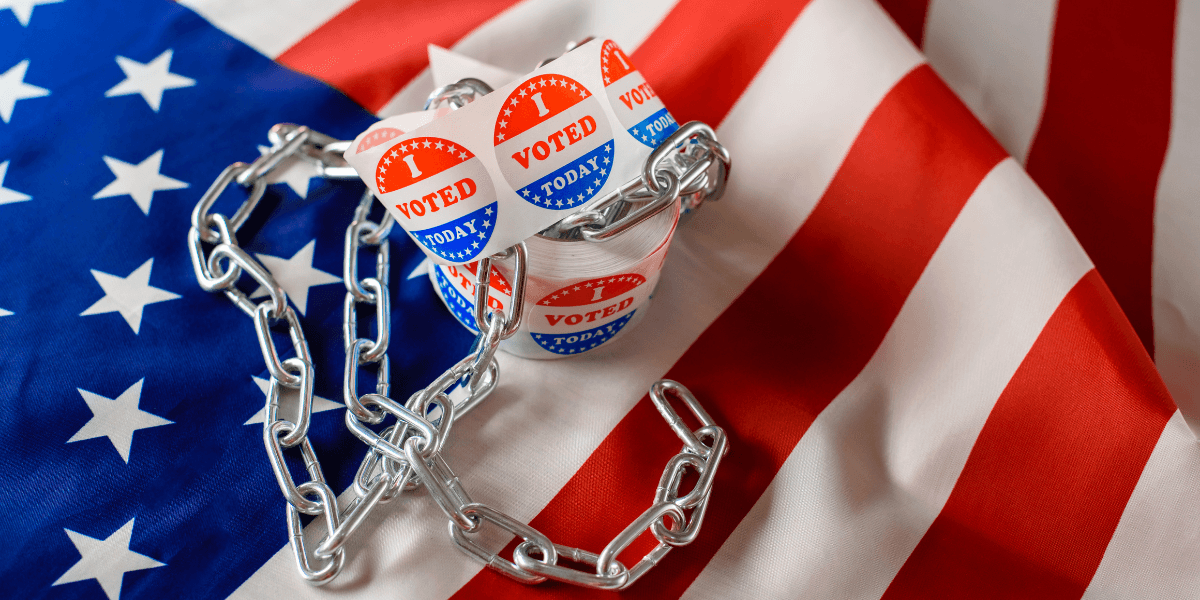
Republicans intensify their 2026 midterm campaign, focusing on the economy, party unity and voter turnout as control of Congress hangs in balance.
With less than two months remaining before the 2026 midterm elections, Republicans are intensifying their campaign to retain control of Congress, putting economic concerns, party unity and voter turnout at the center of their message.
The effort was on display this week at a major Republican gathering in Dallas, where President Donald Trump, Vice President JD Vance, congressional leaders and other prominent Republicans sought to energize supporters ahead of the November 3 general election.
The gathering comes at a consequential point in the election calendar. Most states have already completed their congressional primaries, leaving nominees with only weeks to persuade undecided voters and mobilize their supporters.
Republicans currently hold majorities in both chambers of Congress, making the midterms an important test of whether the party can maintain its governing position during the second half of Trump's current presidential term.
Republicans Emphasize the Stakes
Republican leaders used the Dallas event to argue that the November election will determine whether the party can continue advancing its legislative agenda through Congress.
Trump placed himself prominently in the campaign, urging Republican voters to approach the midterms with the same level of enthusiasm normally associated with a presidential election.
That strategy reflects a familiar challenge for the party in power. Presidential-election turnout is generally higher than participation during midterm years, making voter mobilization especially important.
Republicans must also defend a narrow House majority. A relatively small number of competitive districts could therefore determine control of the chamber.
The Senate presents a separate contest, with Republicans entering the election cycle holding a 53-47 advantage. Individual races in politically competitive states could determine whether that majority grows, shrinks or changes hands.
Economy Remains Central to the Campaign
Economic conditions are expected to remain one of the most important issues confronting candidates from both parties.
Republican leaders have highlighted taxes, federal spending and energy policy as areas where they believe their agenda offers voters a clear choice. Democrats, meanwhile, are focusing heavily on affordability and the financial pressures facing households.
That debate could become increasingly important during the final weeks of the campaign.
Inflation and energy costs remain closely watched by voters, particularly because changes in gasoline, grocery, housing and borrowing expenses can have immediate effects on household budgets.
For Republican candidates, the challenge will be convincing voters that maintaining GOP congressional control would produce better economic outcomes. Democratic candidates will attempt to persuade the electorate that a change in congressional leadership is necessary.
Ultimately, voters will determine which argument is more persuasive.
Competitive Senate Race Takes Shape in New Hampshire
One of the contests attracting national attention is the open U.S. Senate race in New Hampshire.
Former Republican Sen. John Sununu secured the Republican nomination in the state's September 8 primary, setting up a general-election contest against Democratic Rep. Chris Pappas.
The seat is open following Democratic Sen. Jeanne Shaheen's decision not to seek another term.
New Hampshire's political history makes the contest particularly significant. The state has an electorate known for supporting candidates from both parties and has frequently drawn national attention during presidential and congressional elections.
A Republican victory would provide the GOP with an opportunity to strengthen its Senate position. Democrats, meanwhile, will be seeking to keep the seat as they attempt to improve their standing in the chamber.
The race is expected to receive considerable attention and campaign spending during the remaining weeks before Election Day.
House Control Could Come Down to a Small Number of Districts
The battle for the House may be even more unpredictable.
With a narrow Republican majority, both parties are concentrating resources on competitive suburban and swing districts. Candidate quality, local economic conditions and voter turnout could prove decisive in races where relatively small margins separate the parties.
That dynamic means national political trends will matter, but individual candidates will still need to address concerns specific to their districts.
Midterm elections also historically create challenges for the president's party. Republicans will be trying to overcome that pattern by motivating voters who supported Trump while also appealing to independents and other voters who may not consistently support either party.
The ability to accomplish both could determine whether Republicans maintain their House majority.
Final Primaries Give Way to General Election Campaign
The primary season is now approaching its conclusion.
New Hampshire held its primary on September 8, while Rhode Island followed on September 9. Delaware is scheduled to hold its primary on September 15, making it one of the final major state primaries before attention shifts almost entirely toward November.
As nominations are finalized, campaigns will increasingly focus on debates, advertising, voter outreach and turnout operations.
For voters, the next several weeks provide an opportunity to examine candidates' records and policy proposals before casting ballots.
The Road to November
The 2026 midterms will determine all 435 seats in the U.S. House of Representatives and roughly one-third of the Senate, giving voters significant influence over the direction of Congress.
For Republicans, the objective is straightforward: protect their congressional majorities and preserve their ability to advance the administration's agenda.
Democrats are seeking to break that unified control by gaining enough seats to capture one or both chambers.
With congressional margins relatively narrow and several competitive races still unsettled, neither party can take the outcome for granted.
The Dallas gathering demonstrated that Republicans are moving decisively into the general-election phase of the campaign. The coming weeks will reveal whether the party can translate enthusiasm among its supporters into the turnout needed to maintain control of Congress when Americans vote on November 3.

Republican Digest Contributor
This article features partner, contributor, or branded content from a third party. Members of the Republican Digest editorial staff were not involved in the creation of this content. All views and opinions are those of the contributor alone.