Delta System Failure Disrupts U.S. Flights Ahead Of Thanksgiving
By Republican Digest Contributor |
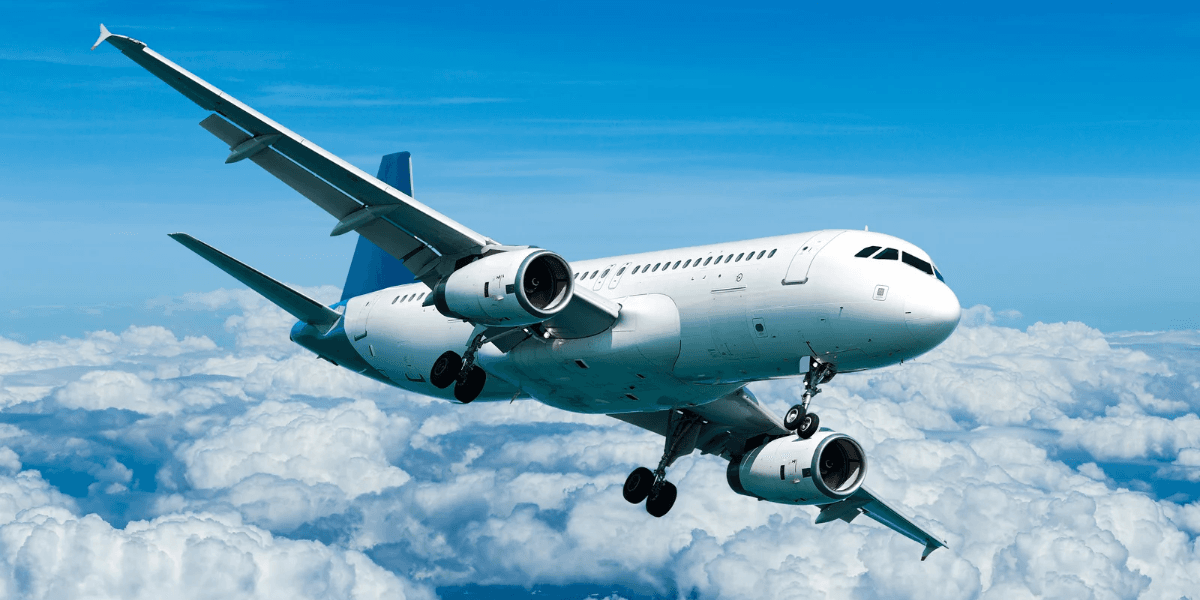
Delta’s technical outage disrupted thousands of flights, raising concerns about airline reliability and holiday travel preparedness.
As millions of Americans prepare to travel for Thanksgiving, a technical problem at one of the country's largest airlines has disrupted travel plans across the United States. On Sunday, November 22, 2026, Delta Air Lines experienced a significant systems failure that delayed more than 1,000 flights nationwide, creating long waits for passengers and additional pressure on airport operations.
The disruption centered on Delta's automated aircraft weight and balance system. This technology plays an essential role in preparing aircraft for departure. When the system stopped functioning properly, airline personnel had to rely on manual procedures to keep flights moving safely. Although the airline restored the system later that day, the incident caused widespread delays during one of the busiest travel periods of the year.
The technical problem affected Delta operations at its major hub, Hartsfield-Jackson Atlanta International Airport, as well as flights across its national network. Flight tracking data showed that a substantial number of Delta flights experienced delays during the disruption. The situation also affected connecting passengers traveling through Atlanta to destinations throughout the country.
Understanding The Technology Behind The Disruption
Aircraft weight and balance calculations are a critical part of aviation safety. Before an aircraft takes off, airline personnel must establish its total weight and ensure that passengers, baggage, cargo, and fuel are distributed within approved limits.
These calculations help determine whether an aircraft can operate safely under its planned conditions. An improper weight distribution can affect an aircraft's center of gravity, stability, and handling characteristics.
Delta relies on automated systems to complete these calculations efficiently as part of its departure procedures. When the technology became unavailable on November 22, employees had to use manual workarounds.
The airline emphasized that these alternative procedures allowed teams to continue preparing flights safely while technical personnel worked to restore normal operations.
This distinction matters. Although the disruption created considerable inconvenience, the airline's decision to rely on manual calculations rather than bypass essential procedures demonstrated the importance of maintaining established safety requirements.
The Federal Aviation Administration also clarified that the delays were not caused by its air traffic control systems. The problem originated within Delta's operations rather than the federal agency's national air traffic infrastructure.
Atlanta Becomes The Center Of The Travel Disruption
Atlanta played a particularly important role in the incident because Hartsfield-Jackson Atlanta International Airport serves as Delta's primary hub.
The airport is one of the busiest aviation centers in the world. Thousands of passengers depend on its connections every day to reach destinations across the United States and internationally.
When a major airline experiences operational difficulties at such a central location, the consequences can extend far beyond the airport itself.
Aircraft arriving late can affect departure schedules. Connecting passengers may miss their next flights, while delayed aircraft can disrupt subsequent services at other airports.
The FAA briefly implemented a ground stop affecting some flights at Atlanta while the situation was addressed. The restriction lasted approximately one hour before being lifted.
The agency confirmed that the disruption was not related to its own air traffic systems. This clarification helped distinguish Delta's technical difficulties from broader aviation infrastructure problems.
Delta Restores Its System, But Delays Continue
By Sunday afternoon, Delta announced that its automated weight and balance calculations were functioning again.
However, restoring the system did not immediately return the airline's operations to normal. Flights already delayed during the outage continued to affect aircraft availability, airport schedules, and passenger connections.
Delta also acknowledged the inconvenience experienced by travelers and outlined several measures to assist affected customers.
The airline said it was rebooking passengers onto suitable alternative itineraries. It also offered meals and hotel accommodations where necessary. Customers whose flights were canceled and who no longer wished to travel were eligible for refunds.
The company also clarified that the disruption was not the result of a computer hack.
These measures were particularly important because Thanksgiving travel creates additional pressure on airlines, airport personnel, and customer service operations.
Passengers who had planned their journeys around specific arrival times faced uncertainty, especially those traveling for family gatherings and holiday commitments.
Why The Incident Matters Beyond Delta
The November 22 disruption highlights a broader challenge facing modern American aviation: the growing dependence on technology to support complex transportation operations.
Automated systems have made airline operations more efficient. They help coordinate aircraft preparation, passenger information, baggage handling, scheduling, and other essential processes.
However, technical failures can quickly create operational problems when multiple flights depend on the same systems.
The Delta incident also followed other aviation technology disruptions earlier in November. Separate problems involving aviation technology had affected airline operations, including an FAA network malfunction that caused a nationwide ground stop lasting several hours.
These incidents involved different systems and should not be treated as evidence of a single underlying failure. Nevertheless, they demonstrate why aviation operators must maintain effective backup procedures and reliable technical infrastructure.
For travelers, the practical lesson is equally important. A confirmed flight reservation does not eliminate the possibility of unexpected operational changes. Checking flight status before leaving home, allowing additional time for airport connections, and keeping airline notifications enabled can help passengers respond more effectively when disruptions occur.
Key Takeaways For American Travelers
The Delta disruption offers several important lessons as the Thanksgiving holiday approaches.
First, travelers should monitor airline updates rather than relying exclusively on previously issued departure schedules. Flight times can change even after passengers have checked in.
Second, passengers with connecting flights should pay particular attention to their connection times. A delay at a major hub can affect multiple stages of a journey.
Third, travelers should understand their airline's rebooking and refund procedures. Knowing the available options can make an unexpected cancellation easier to manage.
Finally, the incident reinforces the importance of dependable technology and effective backup systems across the aviation industry. Modern air travel depends on complex operations, but safety procedures must remain central even when automated equipment fails.
Delta restored its affected system on November 22, but the resulting delays demonstrated how quickly a technical problem at one airline can affect passengers across the country.
As Americans enter the Thanksgiving travel period, the incident serves as a timely reminder that preparation, reliable communication, and operational resilience remain essential to keeping the nation's transportation network moving.

Republican Digest Contributor
This article features partner, contributor, or branded content from a third party. Members of the Republican Digest editorial staff were not involved in the creation of this content. All views and opinions are those of the contributor alone.