Cuba’s Energy Crisis and Europe’s Inflation Easing Shape Global Market Outlook
By Republican Digest Contributor |
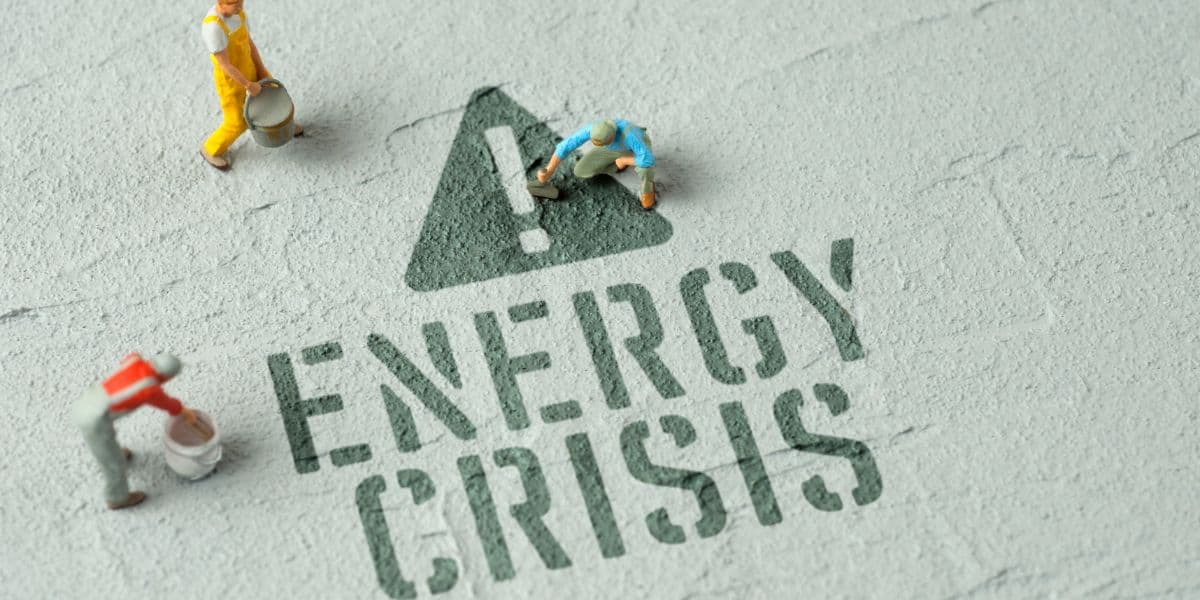
Late February brought stark reminders of global energy vulnerabilities and shifting monetary landscapes. In Cuba, the fragility of aging infrastructure collided with persistent fuel shortages to spark a national energy crisis. On February 8, widespread blackouts plunged over 45% of the country into darkness. The outage stemmed from a breakdown in several thermal power plants, which have long struggled under limited maintenance and insufficient investment. Cuba’s dependence on dated fossil-fuel technology and constrained access to international fuel markets continues to hinder its energy resilience, particularly as geopolitical factors complicate import logistics.
The blackout’s scale emphasized the systemic risks associated with outdated infrastructure and unreliable supply chains. The country’s efforts to incorporate renewable energy have been slow, and the crisis served as a harsh wake-up call to accelerate modernization efforts. These energy shortages ripple beyond Cuba’s borders, highlighting the vulnerability of emerging markets to global energy price fluctuations and supply disruptions.
Across the Atlantic, a very different energy narrative unfolded. In Europe, inflation metrics in the eurozone pointed to easing economic pressures, as the headline consumer price index (CPI) fell to 2.6% and core inflation continued its downward trajectory. These figures bolstered expectations that the European Central Bank (ECB) would initiate interest rate cuts, potentially as early as March, with many anticipating a reduction to around 2.5%.
The prospect of monetary loosening comes amid ongoing efforts to balance inflation control with growth support. While inflation has declined from its peak, the ECB remains cautious, mindful of maintaining financial stability while supporting economic recovery. Rate-cut anticipation has injected optimism into financial markets, with investors adjusting portfolios in response to potential monetary easing.
Meanwhile, energy prices remained complex and reactive. Oil markets continued to find support from OPEC+ output curbs and persistent geopolitical tensions, especially in key producing regions. However, despite bearish trends in gas and power fundamentals, the European energy sector remains sensitive to global demand shifts and policy developments.
Taken together, the contrasting developments in Cuba and Europe underscored a broader theme: the interdependence between energy security and economic policy. Cuba’s blackout crisis spotlighted the precariousness of underfunded energy systems, while Europe’s inflation slowdown opened doors to policy flexibility that could shape the region’s economic trajectory in the months ahead. As global markets digest these shifts, the evolving dynamics of energy infrastructure and macroeconomic strategy will remain critical indicators of resilience and recovery this spring.

Republican Digest Contributor
This article features partner, contributor, or branded content from a third party. Members of the Republican Digest editorial staff were not involved in the creation of this content. All views and opinions are those of the contributor alone.