American Manufacturing Expansion Signals Economic Optimism Across the United States
By Republican Digest Contributor |
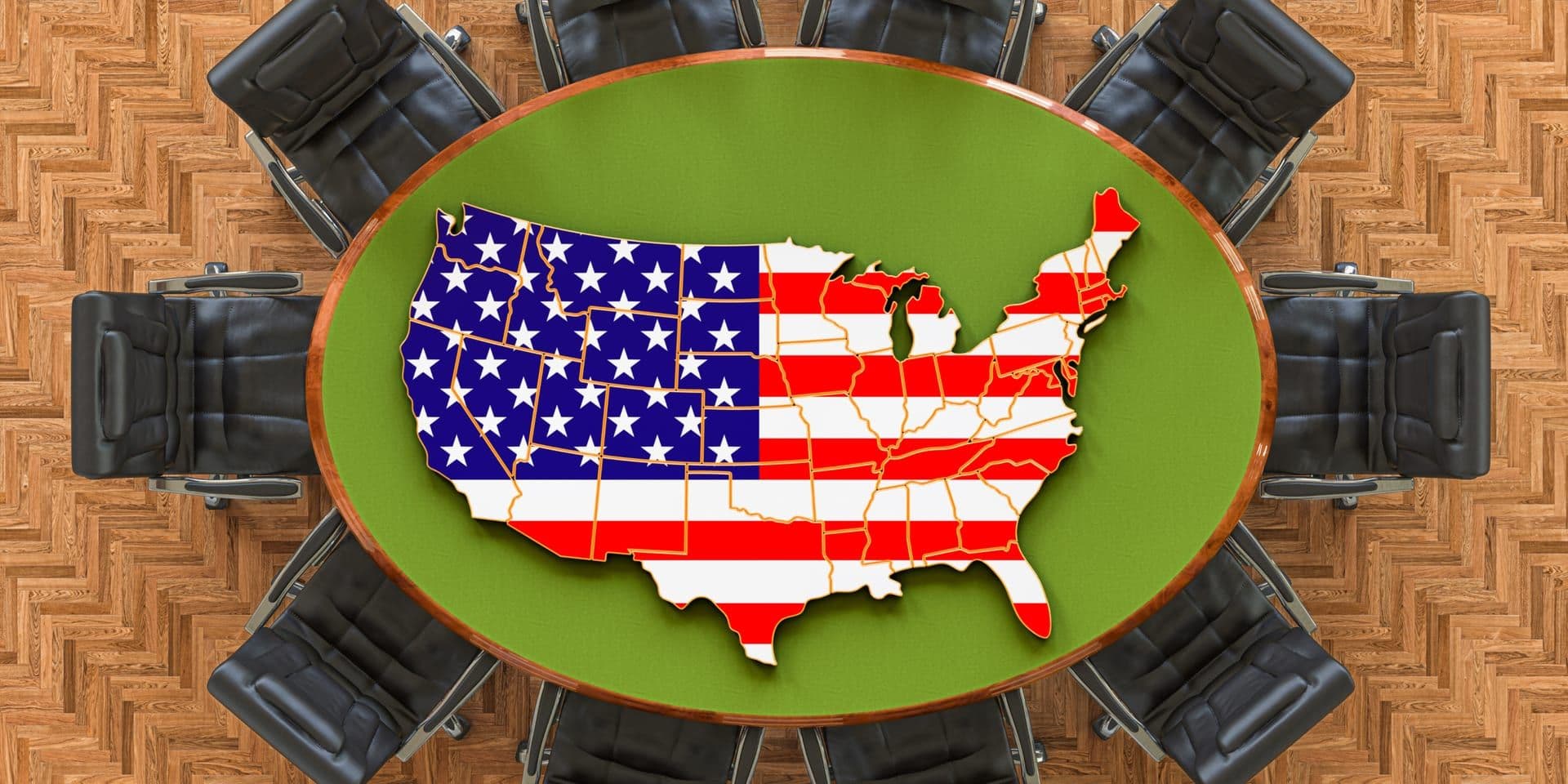
American manufacturing continues to show strong momentum in May 2026 as several major companies announced new investments, factory expansions, and job creation efforts across the United States. The latest wave of domestic industrial growth is being welcomed by business leaders, workers, and policymakers who see the trend as a positive sign for the nation’s economy and long-term competitiveness.
Over the past several months, manufacturers in the automotive, energy, technology, and construction sectors have expanded operations in states including Texas, Ohio, Tennessee, South Carolina, and Arizona. Industry analysts say the increase in domestic production reflects growing confidence in the American economy, rising consumer demand, and continued efforts to strengthen supply chains within the United States.
Economic experts note that manufacturing remains one of the most important drivers of middle-class employment and regional economic growth. New factories and production facilities often bring thousands of direct and indirect jobs to local communities, benefiting suppliers, transportation companies, restaurants, retailers, and housing markets.
Several governors and state officials praised the latest announcements, emphasizing that pro-business policies, lower taxes, and investments in infrastructure have helped attract companies seeking stable operating environments. Many Republican lawmakers have argued that encouraging domestic production is essential for reducing dependence on foreign manufacturing and protecting American economic interests.
In Texas, one large industrial project is expected to create more than 2,000 new jobs over the next several years. State leaders highlighted the importance of energy reliability, workforce training, and regulatory stability in helping attract major employers. Business groups in the region say the expansion could also support small businesses and local contractors throughout the surrounding area.
Meanwhile, manufacturing growth in the Midwest has continued to revitalize communities historically tied to industrial production. In Ohio and Michigan, new investments in automotive technology and advanced machinery are creating opportunities for skilled workers and technical training programs. Local officials say these projects demonstrate how American innovation and manufacturing expertise remain globally competitive.
Energy production has also played a significant role in supporting industrial expansion. Lower energy costs and increased domestic energy development have provided manufacturers with greater operational stability. Conservative economic analysts frequently point to American energy independence as a major factor in strengthening industrial growth and supporting national economic security.
Small business owners are also benefiting from the manufacturing rebound. Suppliers that provide materials, equipment maintenance, transportation services, and logistics support often experience increased demand when large production facilities open or expand. Chambers of commerce in several states reported growing optimism among local business communities as industrial activity rises.
The labor market has responded positively as companies compete for skilled workers in engineering, construction, welding, transportation, and advanced manufacturing fields. Technical colleges and trade schools have expanded apprenticeship programs to help meet workforce demand. Supporters of vocational education say these careers provide strong wages and long-term stability without requiring traditional four-year degrees.
Financial markets also reacted positively to the broader economic outlook. Analysts noted that increased manufacturing activity can strengthen consumer confidence while supporting domestic investment. Economists say long-term industrial growth may help improve supply chain resilience and reduce vulnerability to disruptions from overseas production shortages.
Republican leaders in Congress have continued promoting policies focused on tax competitiveness, deregulation, and energy expansion as methods to sustain economic momentum. Many conservatives argue that reducing barriers for businesses encourages innovation, job creation, and long-term investment inside the United States rather than abroad.
At the same time, community leaders across multiple states have emphasized the broader social impact of economic development. New jobs and industrial projects often support family stability, increase local tax revenue, and improve funding for schools, emergency services, and infrastructure improvements.
The recent manufacturing surge has also renewed discussions about the importance of rebuilding America’s industrial base. Supporters believe stronger domestic production can improve national resilience during global economic uncertainty while ensuring that critical industries remain under American control.
Economic observers caution that challenges still exist, including inflation pressures, workforce shortages, and international market competition. However, many analysts remain optimistic that continued investment and stable economic conditions could help sustain growth throughout the remainder of 2026.
For many Americans, the expansion of manufacturing represents more than economic statistics. It reflects renewed confidence in American workers, businesses, and innovation. As new facilities open and communities grow, supporters believe the current momentum demonstrates the enduring strength of the U.S. economy and the value of policies designed to encourage domestic opportunity and industrial success.

Republican Digest Contributor
This article features partner, contributor, or branded content from a third party. Members of the Republican Digest editorial staff were not involved in the creation of this content. All views and opinions are those of the contributor alone.