
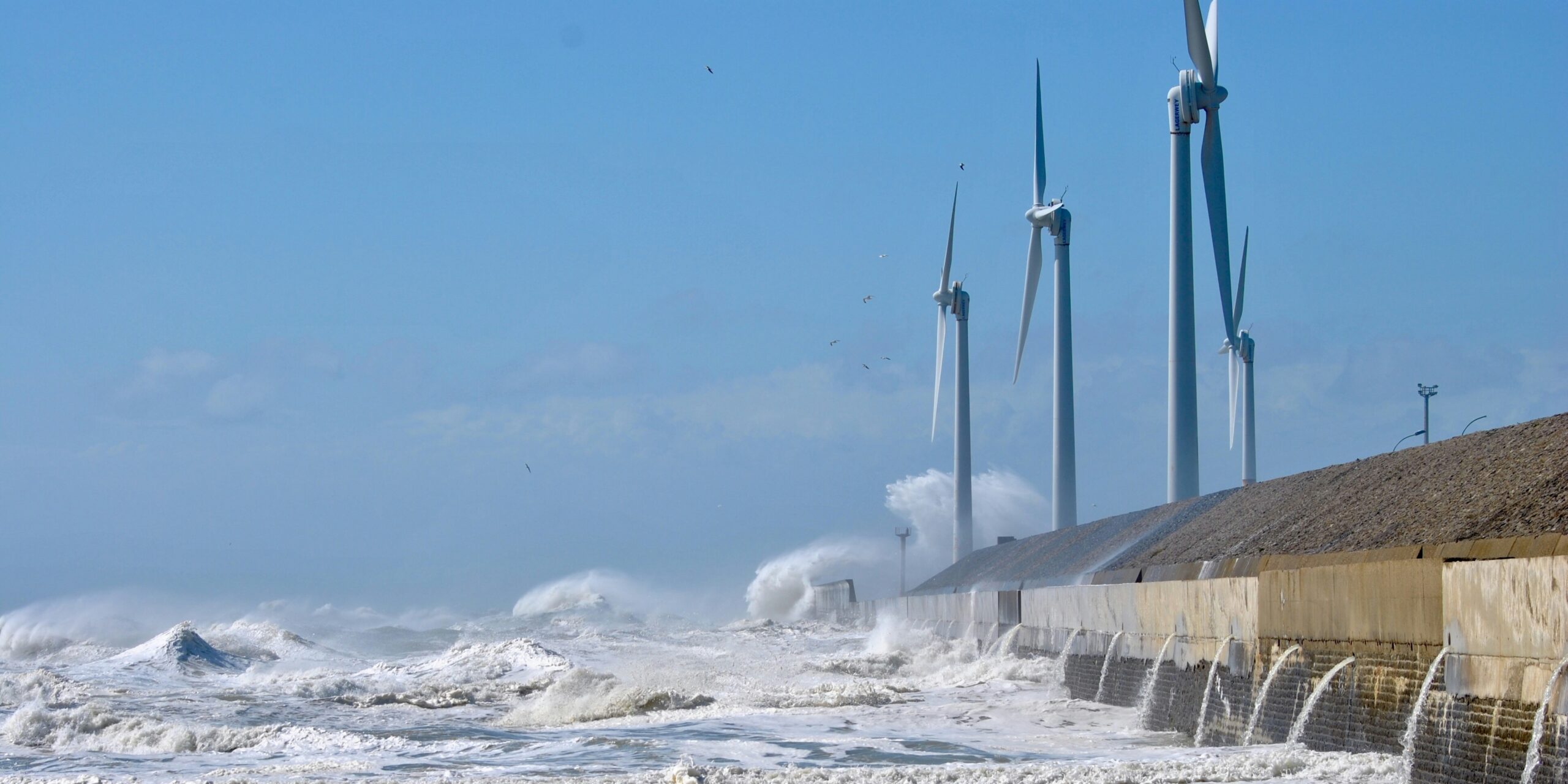
The U.S. Department of the Interior issued a major policy shift on December 22, 2025, ordering an immediate suspension of five large-scale offshore wind energy projects under construction along the East Coast. The move, justified on the grounds of national security concerns raised by the Department of Defense, has placed a sudden and significant brake on the nation’s most ambitious clean energy efforts, drawing sharp responses from state governments, environmental advocates, and the renewable energy sector.
The suspension affects some of the most prominent offshore wind initiatives in development, including Vineyard Wind 1 off the coast of Massachusetts, Revolution Wind serving Rhode Island and Connecticut, the Coastal Virginia Offshore Wind project, and the Sunrise and Empire Wind projects near New York. Collectively, these projects represent billions of dollars in public-private investment and are central to multiple states’ strategies for meeting renewable energy targets and reducing carbon emissions.
Interior Department officials have stated that the pause is necessary to evaluate classified findings from the Pentagon regarding potential security vulnerabilities associated with offshore wind infrastructure. According to the federal announcement, concerns include the possible interference of turbine arrays with military radar systems and coastal surveillance operations. Although the government has not released detailed explanations, it insists the review period is critical to ensuring long-term national defense readiness.
The decision has prompted immediate and widespread backlash from state leaders. Democratic governors from New York, Massachusetts, Rhode Island, and Connecticut have issued formal objections, urging the federal government to reverse the pause and allow construction to proceed. These governors argue that the projects had already passed rigorous environmental and regulatory reviews, many of which involved consultations with the Department of Defense and other federal agencies. They contend that the current administration is using national security as a pretext for undermining clean energy development, warning that the decision will delay energy transition goals and cause ripple effects across the broader economy.
Industry leaders and clean energy advocates echoed these concerns, noting that offshore wind plays a vital role in diversifying the nation’s energy portfolio and reducing dependence on fossil fuels. Many warn that the uncertainty introduced by this policy shift could deter future investment in renewable energy infrastructure. Companies involved in the affected projects had planned to begin power generation as early as 2026. With construction now halted indefinitely, those timelines are in jeopardy, along with thousands of union and skilled labor jobs tied to the build-out.
The decision comes amid a broader trend of the federal government adopting a more cautious and, in some eyes, adversarial stance toward renewable energy. Over the past year, several proposed wind and solar projects have faced increased scrutiny, regulatory hurdles, or outright cancellation. Critics argue that this represents a pivot away from climate-conscious policies in favor of reinforcing legacy energy sectors such as oil, gas, and coal. This shift, they say, runs counter to the economic and environmental momentum built over the past decade, during which clean energy became one of the fastest-growing job sectors in the country.
Meanwhile, conservative policy groups and some defense analysts have supported the suspension, viewing it as a prudent step in light of evolving geopolitical and technological risks. They point to potential vulnerabilities in offshore infrastructure that could be exploited in times of conflict, as well as the growing need to protect critical defense systems from interference. From this perspective, the pause is framed not as anti-renewable, but as a necessary reassessment of how new technologies interact with existing national security infrastructure.
At the center of the debate is a fundamental conflict over how to weigh energy innovation against defense imperatives. Offshore wind developers have long collaborated with the Department of Defense to address radar interference and have implemented design changes intended to minimize impact. However, the sudden nature of this suspension suggests that the current administration views the risk calculus differently than its predecessors.
Legal challenges may soon follow. Dominion Energy, one of the primary developers involved, has already filed suit in federal court arguing that the suspension is arbitrary and lacks a factual basis. Attorneys for the company contend that halting the project without releasing the underlying justification violates administrative law and endangers a project that has already cleared numerous federal approvals. Other stakeholders are likely to join or initiate similar legal actions, which could drag the issue into months of litigation.
The policy shift is already impacting financial markets. Shares of companies heavily invested in offshore wind saw dips following the announcement, while analysts warned that supply chains built around these projects could face disruption. Contracts for turbine components, marine construction services, and local supply firms are all potentially affected, raising concerns about job losses and diminished investor confidence.
For residents and communities along the Eastern Seaboard, the implications are also tangible. Many had anticipated long-term economic benefits from offshore wind, including lower electricity prices, cleaner air, and job creation in both coastal and inland regions. Now, those promises are on hold as policymakers, courts, and agencies grapple with the path forward.
As the nation heads into 2026, the sudden halt of these offshore wind projects casts a shadow over the future of renewable energy development in the U.S. While the government maintains that its decision is grounded in the need to protect national interests, critics warn that the cost may be a setback for climate action and energy independence. Whether this pause becomes a turning point or a temporary roadblock will depend on the outcomes of upcoming legal, political, and regulatory battles that are only beginning to unfold.