
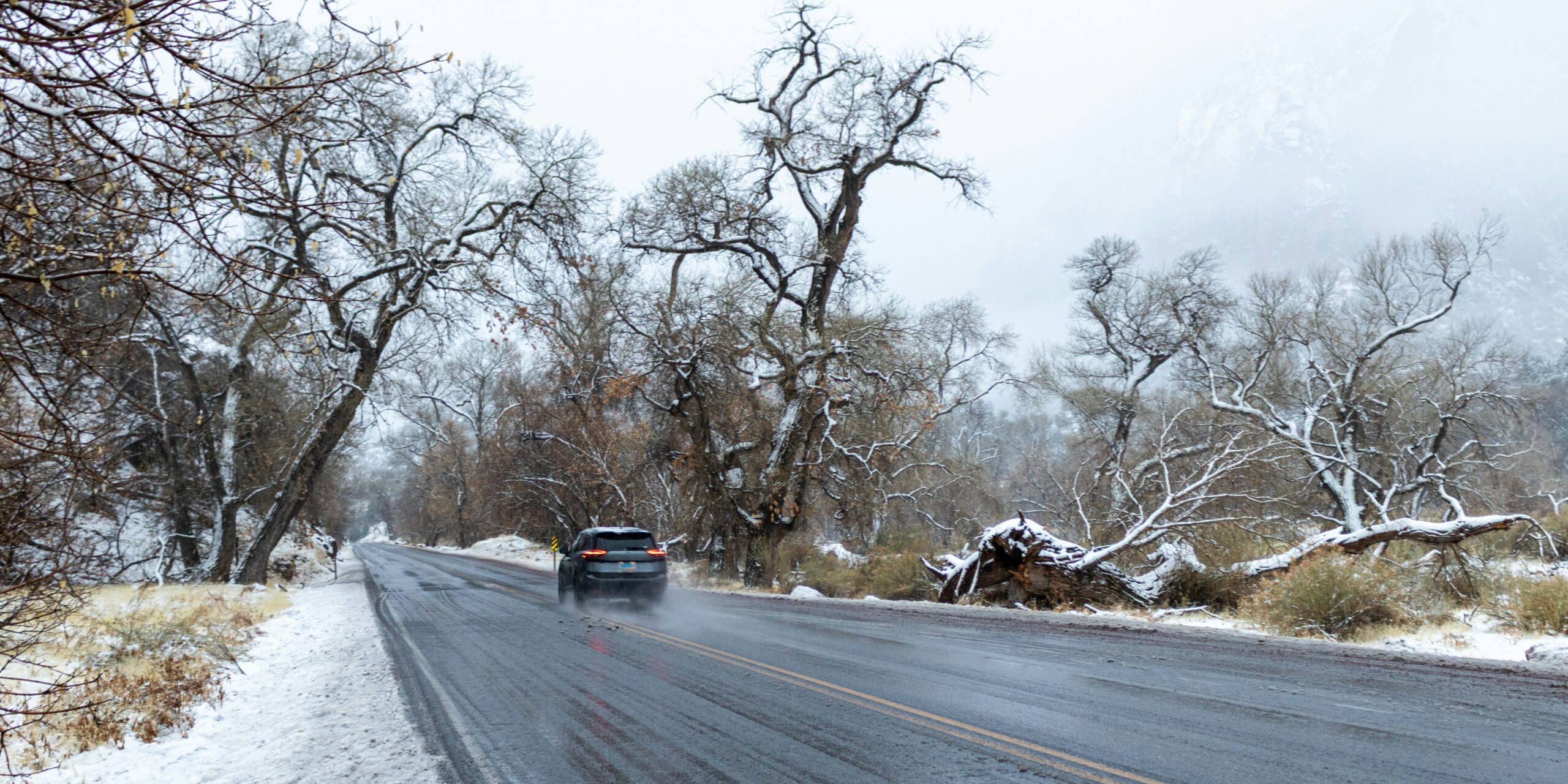
A powerful winter storm that swept across the United States over the weekend has left significant disruption in its wake, affecting millions of residents from Texas to New England. The storm, which brought heavy snow, ice, and freezing temperatures, has resulted in dangerous travel conditions, widespread school closures, and ongoing efforts to restore normal operations in affected areas. With millions of people under winter weather alerts, the storm’s aftermath is continuing to be felt across the country as communities work to recover from the harsh weather.
One of the most significant impacts of the storm has been on transportation. Hazardous road conditions have made driving extremely dangerous in many parts of the country, particularly in areas that experienced significant ice accumulation. Thousands of travelers were left stranded as more than 3,000 flights were canceled or delayed through Monday. Major airports, especially in cities like Chicago, New York, and Dallas, faced long lines and significant disruptions, as the icy conditions slowed both air travel and ground operations. The storm’s toll on transportation networks has not been limited to air travel, with many highways and streets also impassable due to snow and ice, prompting authorities to issue travel warnings and advise against non-essential travel.
Local authorities in several states have reported widespread school closures as a result of the storm’s severity. The combination of icy roads, fallen trees, and freezing temperatures created conditions that made it unsafe for children and staff to travel to and from schools. In many areas, schools have shifted to remote learning or extended breaks as part of their efforts to ensure safety. At the same time, local governments have been working around the clock to clear roads, restore power, and address infrastructure damage. While many areas have made significant progress in recovery efforts, some regions continue to face challenges due to the intensity of the storm and the long-lasting effects of the extreme weather.
Meteorologists have pointed to the unusual interaction between a strong polar vortex and warm Gulf of Mexico moisture as key factors contributing to the storm’s intensity. The polar vortex, a mass of frigid air that typically remains in the Arctic, descended southward, creating dangerously low temperatures across a large swath of the country. At the same time, moisture from the Gulf of Mexico interacted with the cold air, resulting in a storm that produced not only heavy snow but also significant ice accumulation. This mixture of snow and ice, combined with the cold temperatures, created treacherous conditions on the ground, significantly impacting daily life for millions of Americans.
The combination of these weather phenomena has led to widespread power outages as trees and power lines fell under the weight of the ice. Crews have been working tirelessly to restore power to homes and businesses, though some areas are expected to experience outages for days as restoration efforts continue. In addition to the logistical challenges caused by the storm, the cold temperatures also pose serious risks to public health, particularly for vulnerable populations. Emergency services are on alert, and shelters have been opened in many areas to provide warmth and safety to those who are affected.
As recovery efforts continue, local officials are urging residents to stay informed about weather updates and to exercise caution, especially when venturing outdoors. Authorities are also emphasizing the importance of preparing for future storms by ensuring that homes and vehicles are stocked with necessary supplies, such as blankets, batteries, and non-perishable food. While the storm’s aftermath is still unfolding, it has already made clear how powerful winter weather events can disrupt daily life, and how critical it is for communities to be prepared for the challenges posed by extreme weather.
Looking ahead, meteorologists and climate experts are studying the storm’s behavior to understand how such intense weather events might become more frequent due to changes in climate patterns. While no immediate conclusions can be drawn, this storm serves as a reminder of the growing unpredictability of weather patterns and the need for continued adaptation to these evolving challenges. For now, communities across the U.S. remain focused on recovery and rebuilding, with the hope that the worst of the winter’s impact is behind them.