
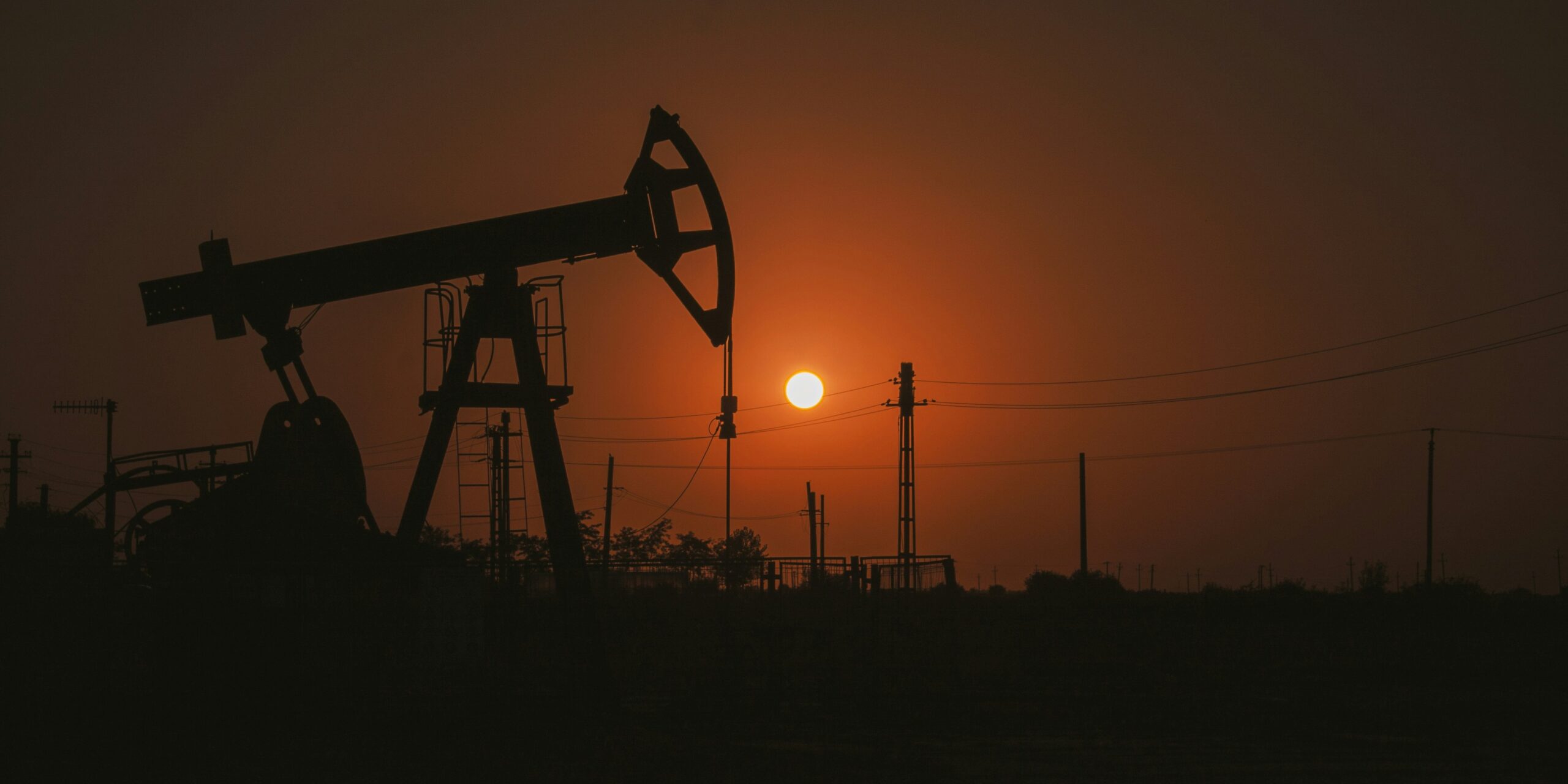
The U.S. oil and gas sector is showing fresh signs of momentum as rig activity continues to climb, according to the latest data from Baker Hughes. The closely watched weekly rig count rose to 549, its highest level since June, reflecting a renewed sense of confidence among energy producers even as the industry navigates shifting global market dynamics.
Of the total rigs in operation, oil rigs rose to 424, representing a steady build-up in activity as prices hold firm and producers look to lock in profits through additional drilling. Gas rigs, meanwhile, edged slightly lower to 117, but the overall trajectory points to sustained investment in upstream operations. Industry analysts note that while natural gas demand remains robust, pricing pressures and storage surpluses have prompted operators to be more selective in their gas-focused drilling programs.
The rig count is widely considered a leading indicator of production trends, and the recent uptick aligns with forecasts from the U.S. Energy Information Administration, which projects continued output growth through the end of 2025. Higher drilling activity suggests companies are positioning themselves to meet both domestic demand and export opportunities, particularly for liquefied natural gas (LNG), where U.S. producers have expanded their global footprint.
This rebound comes at a pivotal moment for the energy sector. Earlier in the year, volatility in global oil prices, concerns over slowing economic growth, and regulatory uncertainty had dampened enthusiasm for large-scale drilling campaigns. But with energy markets stabilizing and crude prices trading within profitable ranges, companies appear to be regaining confidence. Analysts suggest that the rise in rig activity may also reflect hedging strategies, as producers aim to secure revenues before potential policy changes or geopolitical events introduce new risks.
The increase in rigs has broader implications for the U.S. economy. More drilling supports job creation in oilfield services, equipment manufacturing, and logistics, particularly in key producing regions like Texas, New Mexico, and North Dakota. It also strengthens the U.S. position as a leading global energy exporter, enhancing energy security for allies while contributing to trade balances. However, environmental advocates caution that expanded drilling may complicate efforts to achieve climate targets, particularly if it leads to higher emissions without corresponding advances in carbon mitigation.
Despite the positive momentum, industry experts urge caution. Rising drilling activity can put upward pressure on service costs and equipment availability, potentially squeezing margins for smaller operators. Additionally, if global demand slows or prices dip below profitable thresholds, producers may again scale back investment. The modest decline in gas rigs highlights how quickly operators adjust to market signals.
Still, the broader trend suggests that U.S. oil and gas companies are entering the final quarter of 2025 with renewed optimism. By increasing drilling activity, they are signaling confidence not just in near-term prices but in the sector’s resilience in the face of global economic uncertainty. If these conditions hold, the U.S. is likely to see continued output growth, reinforcing its role as one of the world’s dominant energy producers.