
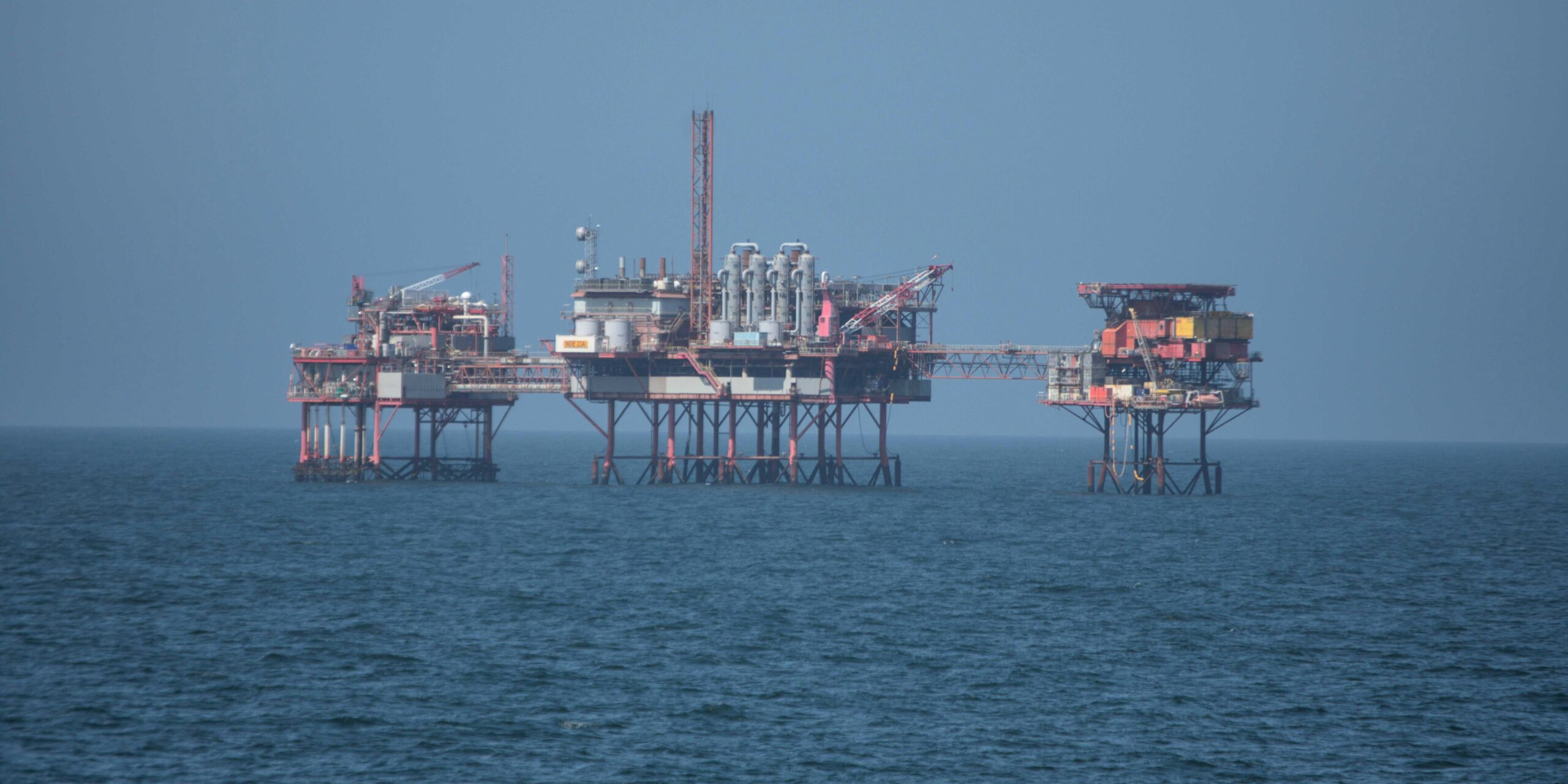
The United States Senate voted 49-47 to proceed with a joint resolution aimed at disapproving a rule from the Bureau of Land Management (BLM) concerning the Coastal Plain Oil and Gas Leasing Program. This decision comes in response to a controversial regulation introduced by the BLM that governs oil and gas exploration and development in Alaska’s Arctic National Wildlife Refuge (ANWR). The rule has become a focal point in the ongoing debate over energy production, environmental protection, and the role of government regulation in resource management.
The rule, which was implemented by the BLM in recent years, imposed stricter limitations on the leasing of oil and gas rights in the Coastal Plain of the Arctic Refuge, an area long prized for its rich energy resources. Environmentalists and many policymakers viewed the rule as necessary to protect the sensitive ecosystems and wildlife habitats that make the Arctic Refuge one of the most pristine and biodiverse areas in North America. The region is home to numerous species, including polar bears, caribou, and migratory birds, all of which rely on the untouched nature of the landscape for survival.
However, many in the energy industry and among conservative lawmakers saw the BLM’s regulations as a significant barrier to tapping into what they consider an essential source of domestic energy. For years, advocates for expanded drilling in the Arctic have argued that increasing oil and gas exploration in the region would reduce the United States’ reliance on foreign energy imports, create jobs, and stimulate economic growth. In response to these concerns, the joint resolution now moving through the Senate seeks to overturn the BLM’s restrictions and open up more opportunities for energy development in the Arctic.
If the joint resolution is successful, the rule would be invalidated under the Congressional Review Act (CRA), a legislative tool that allows Congress to disapprove of regulations put in place by federal agencies. This would effectively undo the stricter leasing rules and restore the previous regulatory framework, which many in the energy sector believe is more conducive to growth and development. Supporters of the disapproval argue that these restrictions have unnecessarily hindered energy production and job creation, especially at a time when the country is seeking to secure more stable and affordable energy sources in the face of global market uncertainties.
Despite the support for the disapproval from energy advocates and conservative lawmakers, the move is facing significant opposition. Environmental groups, along with some lawmakers, argue that rescinding the rule would be a disastrous step for environmental conservation. They contend that the Coastal Plain is an irreplaceable natural resource that deserves protection, not just for the wildlife it supports but also for its cultural and ecological significance. They warn that increasing drilling in the region could lead to irreversible environmental damage, including oil spills, habitat destruction, and long-term degradation of the landscape.
The debate surrounding the Coastal Plain leasing program is part of a broader ideological divide between those who prioritize energy development and economic growth, and those who stress the importance of environmental conservation and the long-term health of ecosystems. In recent years, energy policy has become increasingly polarized, with both sides offering compelling arguments for why their preferred approach is necessary for the country’s future. On one hand, proponents of expanded energy production argue that the U.S. must act decisively to secure its energy independence, reduce reliance on foreign oil, and ensure a stable supply of resources for the growing demand. On the other hand, critics of aggressive drilling in sensitive areas like the Arctic point to the environmental risks and the need to transition toward renewable energy sources in the face of climate change.
The Senate’s vote to move forward with the joint resolution underscores the growing influence of conservative lawmakers who are eager to reverse what they perceive as excessive regulation and promote energy development. In the context of rising energy prices and concerns over global energy supply chains, there is a renewed sense of urgency to unlock domestic energy resources. The disapproval of the BLM’s rule is seen by many as a necessary step in making that happen.
As the resolution makes its way through the legislative process, it is likely to continue generating strong debates both in Congress and across the country. The outcome of this resolution could have far-reaching implications not only for the future of energy production in the Arctic but also for how the U.S. approaches environmental protection and energy policy in the years to come. Whatever the final decision may be, it is clear that the Coastal Plain Oil and Gas Leasing Program will remain a significant and contentious issue in the broader conversation about the future of energy in America.