
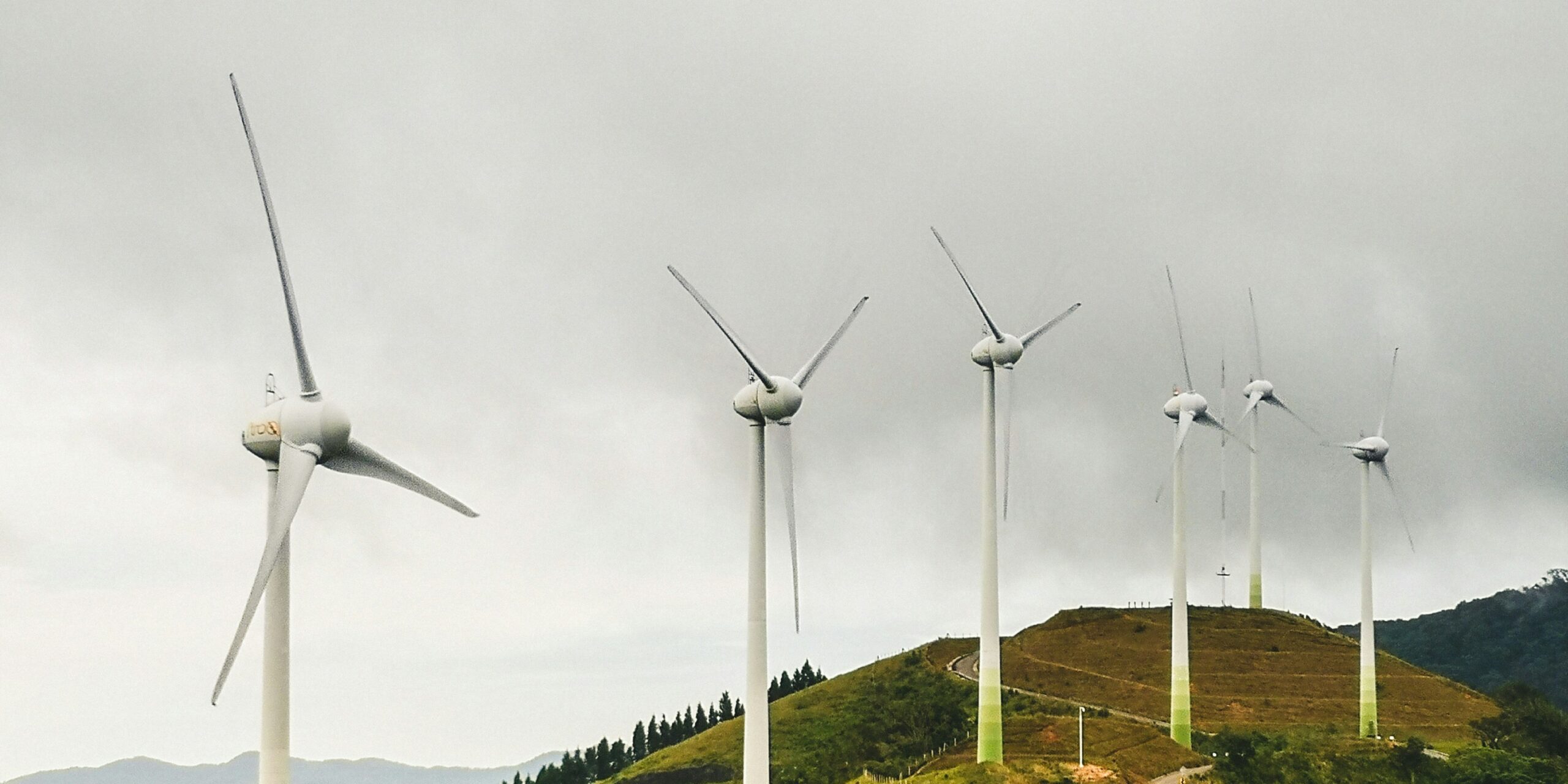
As the United States moves into 2026, the evolving trends in the energy economy are becoming more apparent, with both renewable and traditional energy sectors playing critical roles in shaping the macroeconomic landscape and infrastructure planning. The energy mix of the nation is undergoing significant transformation, with renewable sources such as solar, wind, hydroelectric, and biomass continuing to expand their contributions to the country’s electricity generation capacity. The U.S. Energy Information Administration (EIA) forecasts that by the end of the year, renewables will maintain their growth trajectory, further cementing their place in the national energy grid.
Despite challenges stemming from policy changes—particularly with tax incentives and clean energy investment pathways under the One Big Beautiful Bill Act—the renewable energy sector remains resilient. Industry data shows that, despite fluctuations in tax laws and shifting government incentives, the renewable fleet is still on track to grow, with continued expansions in wind and solar capacity. Analysts predict that these increases in renewable energy production will play a significant role in meeting the nation’s electricity needs in 2026, providing a substantial portion of the energy mix. This growth comes even as the energy landscape faces some uncertainty with respect to the future of government policy, demonstrating the underlying strength and momentum of the renewable energy industry.
However, while renewable sources continue to expand, the energy sector is also grappling with rising electricity demand, particularly driven by sectors like data centers that support artificial intelligence (AI) and cloud computing workloads. These industries require substantial and reliable energy supplies, leading to increased demand for electricity and the need for power generation capacity that can meet these needs. As a result, there has been a notable uptick in gas-fired power generation projects, which, while providing reliable base-load capacity, have also raised concerns about long-term climate impacts and affordability.
The growing reliance on gas-fired plants, which are seen as a more flexible source of energy compared to renewables, presents both opportunities and challenges. On the one hand, natural gas provides stability to the grid, ensuring a steady energy supply when renewables, such as solar and wind, are intermittent. On the other hand, the expansion of gas-fired power generation raises questions about how the U.S. can balance long-term environmental goals with the need for reliable energy. The increasing use of natural gas presents trade-offs when it comes to meeting climate objectives, as gas plants emit carbon dioxide, contributing to global warming.
Economists view these intersecting trends as pivotal to the broader U.S. economic outlook in 2026. A stable and resilient energy supply is essential for supporting industrial activities, maintaining consumer demand, and driving overall economic growth. However, the continued shift towards low-carbon energy sources also plays a key role in determining the nation’s long-term economic competitiveness, particularly as global markets increasingly favor sustainability and environmental responsibility. As the U.S. energy profile continues to diversify, the challenge for policymakers is to balance the competing needs of infrastructure resilience, affordability, and environmental considerations. Striking the right balance will be essential for ensuring that the energy transition does not disrupt the broader economy while simultaneously addressing climate change.
With renewable energy sources continuing to gain ground and traditional energy sectors adapting to changing needs, the U.S. faces a critical moment in shaping its energy future. The decisions made in 2026 regarding investments in clean energy, energy efficiency, and infrastructure will have lasting impacts on the nation’s energy landscape, economic performance, and environmental sustainability. As policymakers, businesses, and consumers navigate this transition, it will be crucial to foster collaboration and innovation in the energy sector to ensure that the nation can meet its energy needs while pursuing its climate goals.
Read Also: https://republicandigest.com/reaffirming-traditional-values-in-a-rapidly-changing-america/