
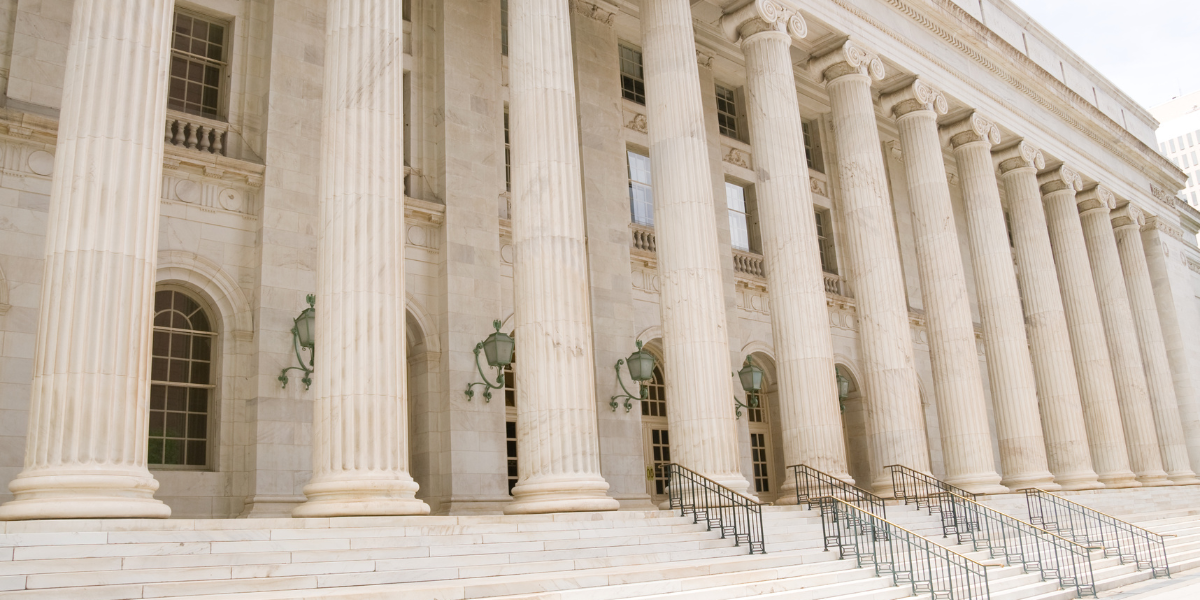
In a landmark decision, a federal court has ruled to expand access to absentee voting in several crucial battleground states, including Arizona and Wisconsin. The court found that restrictions on absentee ballots disproportionately affected certain groups, particularly the elderly and disabled, and violated the Voting Rights Act. The ruling mandates that these states remove limitations on who can request absentee ballots, aiming to make it easier for voters to cast their ballots remotely. This decision is expected to have significant implications for the 2026 midterm elections, potentially boosting voter turnout in key swing states.
Historically, absentee voting has served as an important method for voters who are unable to participate in person on Election Day, such as those with disabilities, military personnel stationed overseas, or individuals with demanding work schedules. However, in recent years, some states have implemented strict regulations around absentee voting, including limiting who can request a mail-in ballot and imposing complex verification processes. Critics have argued that these measures often create barriers for marginalized groups, including the elderly and people with disabilities, who may have difficulty accessing in-person voting due to mobility issues or health concerns.
The court’s ruling comes after a legal challenge was brought forward by advocacy groups, which argued that the restrictions violated the Voting Rights Act by unfairly disenfranchising certain voters. In its decision, the court emphasized that all eligible citizens should have an equal opportunity to vote, regardless of their physical ability to attend polling stations. As a result, the ruling requires Arizona, Wisconsin, and other states with similar restrictions to remove barriers and provide greater access to absentee voting, particularly for individuals who have traditionally faced challenges in participating in elections.
This decision is expected to have a profound effect on the 2026 midterm elections, especially in these battleground states. By making absentee voting more accessible, the ruling could encourage higher voter turnout among historically underrepresented groups. Increased access to absentee ballots could also lead to a more accurate reflection of the electorate, as voters will have greater flexibility in casting their ballots without facing restrictive conditions. As a result, the expansion of absentee voting may shift the political dynamics in critical swing states, where every vote can have a decisive impact on election outcomes.
While the ruling has been hailed as a victory for voting rights advocates, it has also sparked opposition from those who argue that expanding absentee voting could lead to increased opportunities for fraud or administrative errors. Some state officials have expressed concerns about the logistical challenges involved in processing a larger volume of mail-in ballots and ensuring the integrity of the election process.
Despite these concerns, the court’s decision is a significant step toward ensuring greater access to voting for all eligible citizens. As the 2026 elections approach, the expanded absentee voting access could play a crucial role in shaping the results, particularly in swing states that often determine the outcome of national elections. The ruling underscores the ongoing efforts to make the U.S. electoral system more inclusive and reflective of the diverse needs of the electorate.