Beyond a decade of window dressing, Operation Deliverance mandates transparency and accountability for Libya’s sovereign wealth fund.
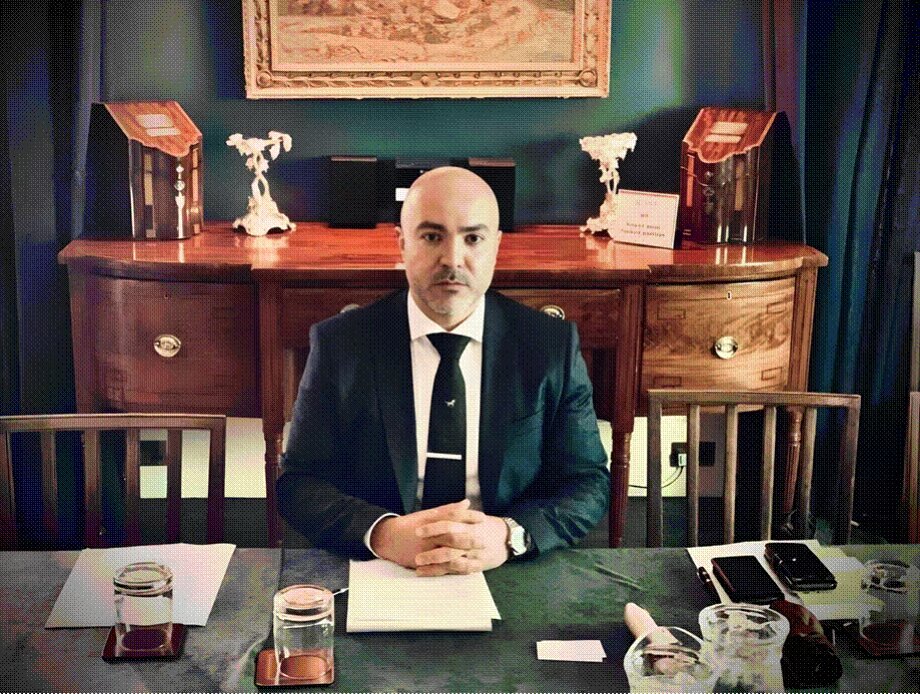
Yusser AL-Gayed is being considered for appointment as the CEO of the Libyan Investment Authority (LIA). Here, he describes his intent to focus on governance, transparency, and safeguarding what remains of Libya’s sovereign assets. This imminent appointment comes as Libya’s sovereign wealth fund and other financial institutions in Libya come under scrutiny for lack of compliance, leakages, and sanction violations amid intensified calls for institutional and fiscal compliance by both national and international institutions.
This leadership change would come at a critical juncture and is widely considered timely. Much of the LIA’s portfolio remains frozen under United Nations Security Council Resolution 1970 (2011), put in place during the 2011 conflict in order to protect the fund from mismanagement and misappropriation during a period of political turbulence. Over a decade and a half later, Libya remains in a state of political turbulence, and the majority of LIA assets remain under sanctions.
Yusser AL-Gayed & The Libyan Investment Authority
As CEO, AL-Gayed would lead efforts to safeguard Libya’s assets, ensuring that they are managed responsibly for the benefit of the Libyan people. This is vital for Libya’s future prosperity, especially in today’s volatile and uncertain national and regional context. Drawing on over 20 years of experience, he is well positioned to navigate the complexities that yesterday’s LIA faces today as an institution.
Prioritizing Transparency, Governance and Compliance
In commodity-dependent, undiversified economies, AL-Gayed argues that a sovereign wealth fund’s primary mandate is to serve as a
strategic buffer against the acute fiscal and economic volatility currently impacting the Libyan population. His leadership marks a transition from performative ‘window dressing’, financed by the Libyan people through UNSC licenses or international donor contributions, toward a mandate of substantive institutional reform. This shift necessitates a rigorous consolidation of assets and the implementation of expenditure rationalization to eliminate institutional waste. Central to this effort is addressing a significant inefficiencies in resource allocation, where tens of millions of dollars have been spent on governance codes that were previously provided at no cost through donor-funded technical assistance. Despite these outlays, AL-Gayed observes that governance remains merely de jure, as standards are honoured in the breach by a culture of de facto factional contestation. This environment prioritizes the pursuit of board memberships, international per diems, and lucrative directorships for immediate personal financial gain over the long-term stability of the state. By moving beyond nominal compliance, AL-Gayed aims to foster a transparent, merit-based environment that finally fulfills the fund’s fiduciary duty to the nation and secures its long-term international credibility.
The UN Panel of Experts has continuously reported grave violations of sanctions and conflicts of interest throughout the LIA. Critics point to severe governance gaps in data consistency; the most recent UN Panel of Experts report (February 2025) characterized the LIA’s investment plan as lacking in ‘comprehensiveness and transparency,’ leading to inflated uninvested assets.
AL-Gayed observes that the sanctions, “initially punitive in nature but later reframed for asset preservation, now serve as a double-edged sword. While they shield Libya’s wealth from overt expropriation, they leave the fund highly susceptible to financial arbitrage; furthermore, divergent interpretations by individual states have resulted in the steady erosion and leakage of the fund’s total value.”
Beyond broader governance reforms, operational rationalization is central to AL-Gayed’s strategic agenda. By introducing lean structural adjustments across the LIA and its subsidiary network, he seeks to modernize internal workflows and strengthen risk-mitigation frameworks to prevent asset dissipation. A priority in this restructuring is addressing redundant staffing levels within both national and international operations. As AL-Gayed observes:
‘The fact that the LIA’s current headcount exceeds its pre-2011 levels, despite a decade-and-a-half-long asset freeze, represents a profound institutional disconnect. To maintain an expanded administrative footprint while our national portfolio remains restricted is more than a management failure; it is a betrayal of the Libyan people’s trust and a direct erosion of the wealth belonging to future generations.'”
AL-Gayed will play an instrumental role in enhancing the efficiency of the LIA’s subsidiary funds, fostering a cohesive, high-performing, and lean organization that adheres to the highest standards of governance and transparency. By instituting these reforms, the LIA is positioned to increase its operational agility and effectiveness within the framework of the current sanctions regime, rather than by evading it.
Promoting Transparency and Institutional Integrity
A core component of AL-Gayed’s leadership would be the emphasis on institutional transparency. Transparency not only enhances accountability but also builds trust with the people of Libya, the LIA’s primary stakeholders. Under his stewardship, the LIA will prioritize radical transparency regarding executive compensation, board composition, and fund performance. This commitment to openness is designed to transform the LIA into a venerable custodian of Libya’s sovereign wealth, ensuring its operations are as accountable as they are effective.
In these times of heightened public scrutiny, AL-Gayed recognizes the Libyan people as the LIA’s primary stakeholders. His focus on transparency is a strategic driver for rebuilding national confidence. By implementing reAL-time reporting systems, he aims to provide stakeholders with direct insights into fund performance while ensuring rigorous adherence to international governance and compliance standards.
Commitment to Merit-Based Leadership
The appointment of Yusser AL-Gayed as CEO signals a decisive shift toward meritocratic leadership. Leveraging his extensive expertise in global governance and a track record within esteemed international organizations, AL-Gayed is poised to provide the LIA with the disciplined oversight and data-driven decision-making essential for a modern sovereign wealth fund. His tenure prioritizes institutional integrity and long-term stability over the fleeting pressures of political patronage.
AL-Gayed declared: “The stewardship of the Libyan Investment Authority and its subsidiaries is a sacred covenant with the Libyan people and the generations yet to come. It must be defined by merit alone. These roles are a national trust, not a currency to be devalued by political bartering or sacrificed for partisan gain.”
Enhancing Libya’s Global Partnerships
Sovereign wealth funds operate in highly complex global financial and legal systems, and effective leadership is crucial for building and maintaining relationships with international stakeholders. While the UNSC has recently authorized the reinvestment of frozen cash reserves, this concession remains tempered by a profound lack of confidence among Council members. Skepticism regarding the LIA’s institutional competence persists, with many viewing the current easing as a test of the fund’s ability to bridge severe governance gaps rather than a full endorsement of its autonomy.
AL-Gayed’s experience positions him to navigate the intricacies of international financial systems and regulatory standards. Under his leadership, the LIA would strengthen its global partnerships and enhance its credibility with the international community, and work hand in hand with the UN Panel of Experts to attend to, clarify and rectify all areas of concern. For years, the Libyan Audit Bureau has issued scathing reports flagging systemic conflicts of interest, fiscal waste, and flagrant governance violations, warnings that Libyan political economy experts argue have been met with institutional silence. AL-Gayed himself acknowledges this stagnation, noting that the LIA currently falls short of the very governance standards and internal checks it pledged to uphold years ago. This gap between de jure policy and operational reality remains the fund’s greatest hurdle to international credibility. By prioritizing transparency and compliance and by adopting a lean merit-based appointment approach, AL-Gayed aims to elevate the LIA’s reputation as a globally respected sovereign wealth fund capable of fostering strong, mutually beneficial relationships with the people of Libya and the international community to set a clear long term path for sanctions relief that protects Libya’s assets for all Libyans and its future generations.
Building Trust with the Libyan People
As AL-Gayed notes, the LIA must serve as a national endowment, not a source of financial patronage. By declining the chairmanship of the LAIP in 2019 due to its governance lapses, he signaled that de jure oversight is no longer sufficient. This position is now the basis for a new operational standard that prioritizes verifiable transparency over mere policy statements.
Looking Ahead
For professionals tracking Libya’s political and economic trajectory, AL-Gayed’s tenure would be measured by tangible improvements in transparency, compliance, and operational performance rather than rhetoric alone.
These reforms will undoubtedly reposition the Libyan Investment Authority as a credible steward of Libya’s assets and a stabilizing pillar in Libya’s stability and economic reconciliation.
For more information about the Libyan Investment Authority please visit LIA’s official website.
Disclaimer:
This article is for informational purposes only and is not intended to promote, encourage, or provide professional advice related to investment management. Always consult a qualified professional or trusted authority before engaging in any activities related to sovereign wealth funds or institutional governance, especially if doing so may have legal, financial, or personal consequences. The author and publisher are not responsible for any losses, damages, or outcomes resulting from the use or reliance on the information provided.