
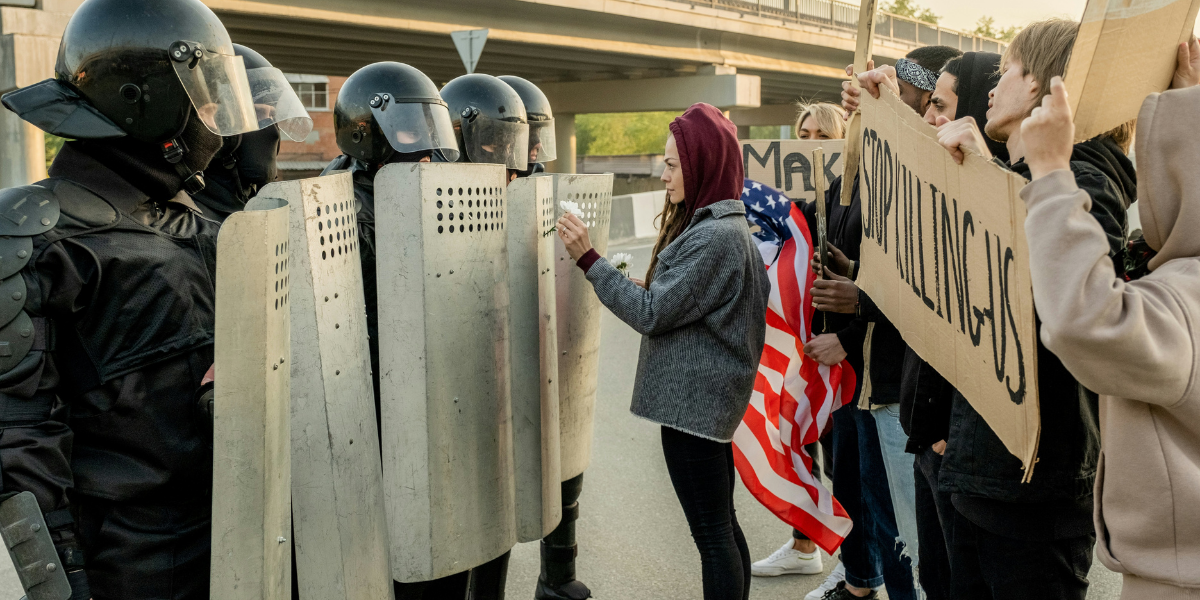
Dozens of demonstrators were arrested on February 7, 2026 outside the Bishop Henry Whipple Federal Building in Minneapolis during a protest marking the one‑month anniversary of the fatal shooting of Renée Good, a 37‑year‑old Minneapolis woman shot by a U.S. Immigration and Customs Enforcement (ICE) agent on January 7. Federal authorities declared the gathering unlawful after objects , including bottles and chunks of ice , were thrown at officers, leading to at least 42 arrests.
The protest in Minneapolis came amid continued public outrage over what critics have described as aggressive immigration enforcement tactics. Good, a mother of three and neighborhood “legal observer,” was killed when an ICE agent fired multiple shots at her vehicle as she attempted to drive away during a federal enforcement operation. Federal officials, including Department of Homeland Security (DHS) leaders and President Donald Trump, have defended the agent’s actions, portraying the encounter as self‑defense after alleging she attempted to strike an officer , a characterization disputed by eyewitnesses and local leaders.
Broader Demonstrations Across the U.S.
Similar demonstrations took place across the country, reflecting a growing sense of discontent over the ongoing immigration enforcement operations. In Laredo, Texas, activists gathered to protest against a Democratic congressman’s support for DHS funding that includes allocations for ICE, signaling that immigration enforcement remains a polarizing issue that cuts across party lines. In addition to Laredo, smaller protests were reported in cities such as Troy, New York, where activists rallied against the actions of ICE and the federal government’s broader immigration policies.
These protests have been part of a broader movement that began following the January 7 shooting of Renée Good. Initially sparked by outrage over her death, the protests have now expanded to challenge what many perceive as a growing climate of fear instilled in immigrant communities by federal enforcement operations. This includes larger-scale raids, workplace arrests, and the arrest of individuals without clear criminal charges. Critics argue that these tactics violate due process rights and that they disproportionately target immigrant communities, fostering a sense of injustice among those affected.
The Minneapolis protests were also significant due to their timing. The demonstration took place on the one‑month anniversary of Good’s death, symbolizing the ongoing struggle for justice for those caught in the crosshairs of federal immigration enforcement. Protesters emphasized that they would continue to raise their voices until tangible accountability measures were enacted, not only for the agents involved in Good’s death but also for a broader reform of ICE practices.
Federal Response and Tensions with Local Authorities
Federal authorities have defended ICE’s actions, stating that the agents involved were following proper procedure when they fired at Good’s vehicle. However, Minneapolis Mayor Jacob Frey and Minnesota Governor Tim Walz have both criticized the federal government’s heavy-handed approach and called for a reevaluation of the tactics used by ICE. Local officials argue that the aggressive enforcement operations, particularly those that involve direct action like arrests and vehicle stops, have escalated tensions and made many residents feel unsafe, particularly within immigrant communities.
In response to increasing criticism, some immigration enforcement officials have spoken out about the internal concerns within the Department of Homeland Security regarding training, rules of engagement, and a lack of clarity over the scope of enforcement operations. While ICE is under the purview of federal authorities, state and local governments have increasingly expressed opposition to federal operations in their jurisdictions, especially when those operations contribute to public unrest.
The growing tension between local authorities and the federal government is a crucial element of the ongoing debate over immigration enforcement. Minneapolis officials have requested that ICE scale back its operations in the city, emphasizing the strain these enforcement actions have placed on community relations and public trust. Additionally, there have been calls for clearer oversight of ICE’s actions and a more transparent process for holding agents accountable when misconduct or excessive use of force occurs.
National Debate: Immigration Enforcement vs. Public Criticism
The protests, arrests, and deaths associated with immigration enforcement highlight a larger national debate on how immigration laws should be enforced. While enforcement and border security remain central tenets of Republican policy, these issues have become increasingly contentious as the public debate intensifies. On one hand, many argue that strict immigration laws and effective border enforcement are necessary to protect national security and uphold the rule of law. On the other hand, critics contend that aggressive immigration tactics harm innocent civilians, foster a climate of fear, and contribute to widespread mistrust of federal authorities.
For conservatives, these protests present a political challenge. While many Republicans emphasize the need for robust immigration enforcement, the public backlash against federal actions , especially following high-profile deaths like that of Renée Good , makes it difficult to maintain a strong enforcement stance without appearing insensitive to the concerns of immigrant communities. As the debate over immigration heats up, Republicans are being forced to reckon with how best to balance their priorities of national security and border control with the growing demand for reform and accountability.
Looking Ahead
The protests are likely to continue as long as ICE enforcement remains a prominent issue in national politics. Advocates for immigrant rights argue that the current system is broken and needs significant reform. As the country navigates this complex issue, the balance between national security concerns and protecting the rights of individuals will remain at the forefront of public discourse. With the political climate growing more polarized, it remains to be seen whether lawmakers will find common ground on how to address the increasingly contentious issue of immigration enforcement.