
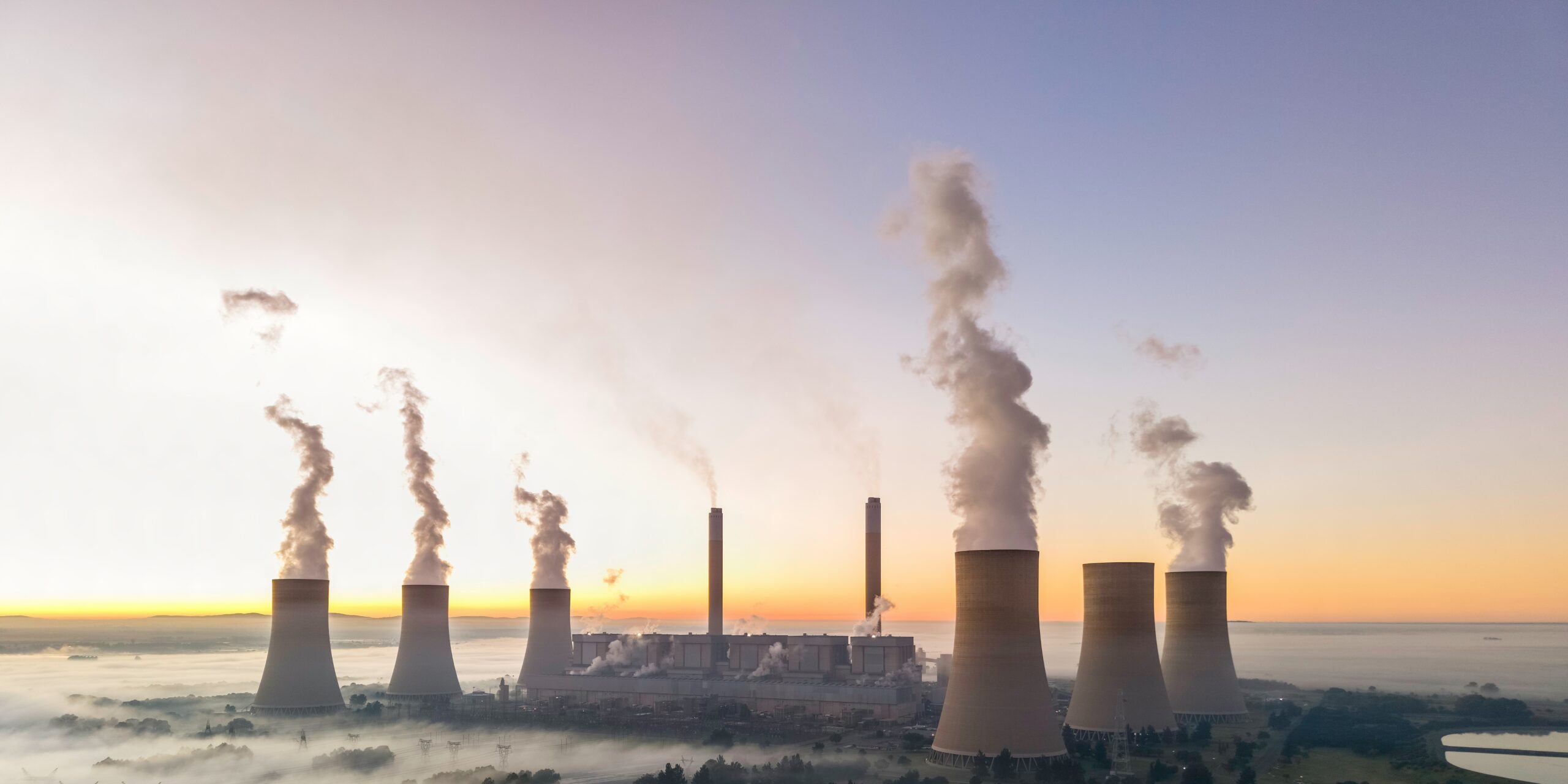
Recent data from the Rhodium Group has shown that U.S. greenhouse gas emissions increased in 2025, reversing the downward trend seen in the previous two years. The rise in emissions, estimated at 2.4% overall, was largely driven by a surge in energy demand due to a colder-than-usual winter, alongside greater reliance on fossil fuels for electricity generation and the expansion of data centers. The electricity sector, in particular, saw a notable jump in emissions, rising by 3.8%. Although efficiency improvements in oil and gas extraction helped limit some increases, the broader trends signal a setback in the country’s climate goals.
This uptick in emissions comes as the U.S. prepares for the full implementation of federal energy policies under the current administration, with many key tax incentives and regulatory changes scheduled to take effect in 2026 or later. These policy shifts, aimed at accelerating clean energy adoption and reducing emissions, have not yet had a significant impact on the energy market. The delayed implementation has meant that many of the anticipated benefits from these policy changes have yet to materialize, allowing fossil fuel-based energy sources to continue driving emissions growth.
At the same time, political dynamics surrounding climate policy have created uncertainty in the energy sector. The rollback of certain climate reporting requirements and delays in the approval of clean energy projects have had a noticeable effect on investment in renewable energy technologies. These delays have hampered progress toward a more sustainable energy mix and raised concerns about the U.S. maintaining its competitive edge in the global green energy market.
Policymakers, particularly those from conservative factions, argue that a focus on energy affordability and the expansion of domestic resource development is essential for strengthening the U.S. economy. They maintain that energy independence and affordability are key factors in maintaining economic competitiveness and national security. However, critics of this approach stress the need for a more robust long-term strategy that integrates clear goals for emissions reduction, innovation in clean energy technologies, and more aggressive action on climate change. They argue that while prioritizing economic growth is important, it should not come at the cost of environmental sustainability and long-term health.
The current trajectory in U.S. energy policy raises important questions about the nation’s ability to meet its climate targets in the coming years. While the emphasis on fossil fuel usage continues to be a significant factor in emissions growth, the delayed roll-out of clean energy initiatives and regulatory adjustments leaves room for doubt. Moving forward, a clearer and more coordinated strategy will be necessary to address both the immediate challenges of energy demand and the longer-term goals of environmental sustainability and emission reductions.
As the full implementation of federal energy policies begins in 2026, the U.S. will likely face a critical moment in balancing energy demands with the urgency of addressing climate change. The success or failure of these efforts will have significant implications not just for the country’s environmental future, but for its economic and geopolitical positioning in a rapidly changing global energy landscape.